BLDG 115 RM1904
115楼,1904室
2008
Boers-Li Gallery, Beijing
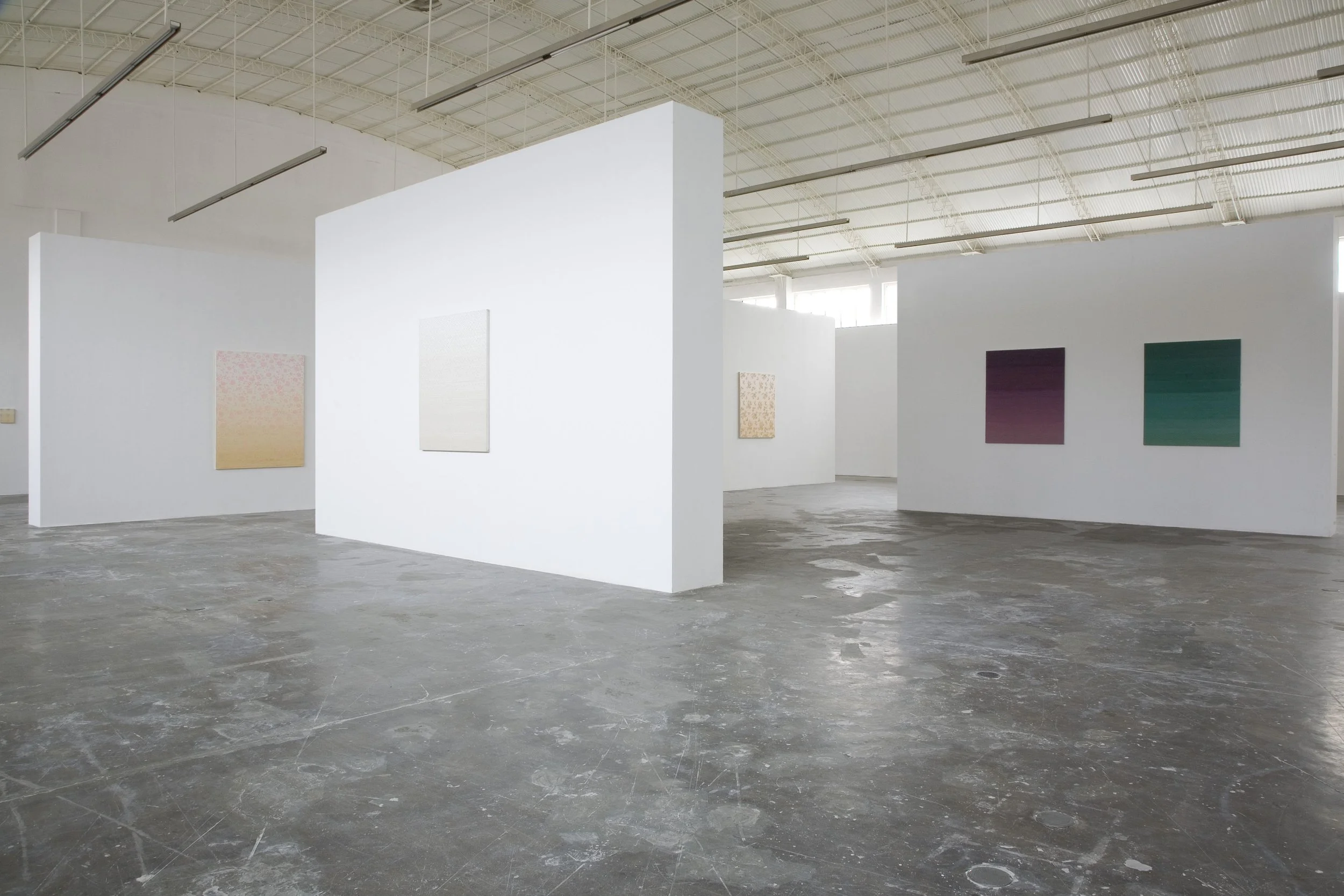
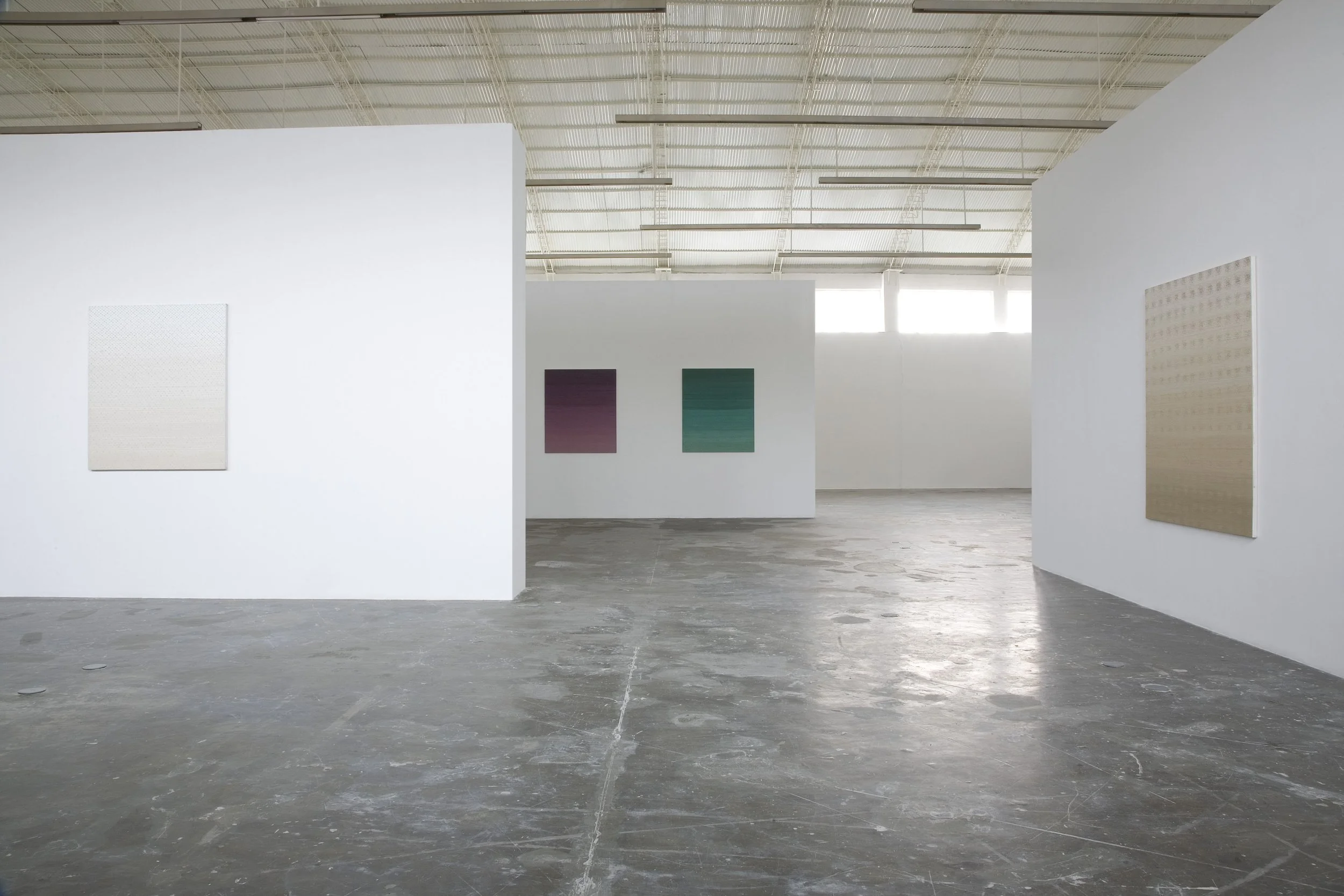
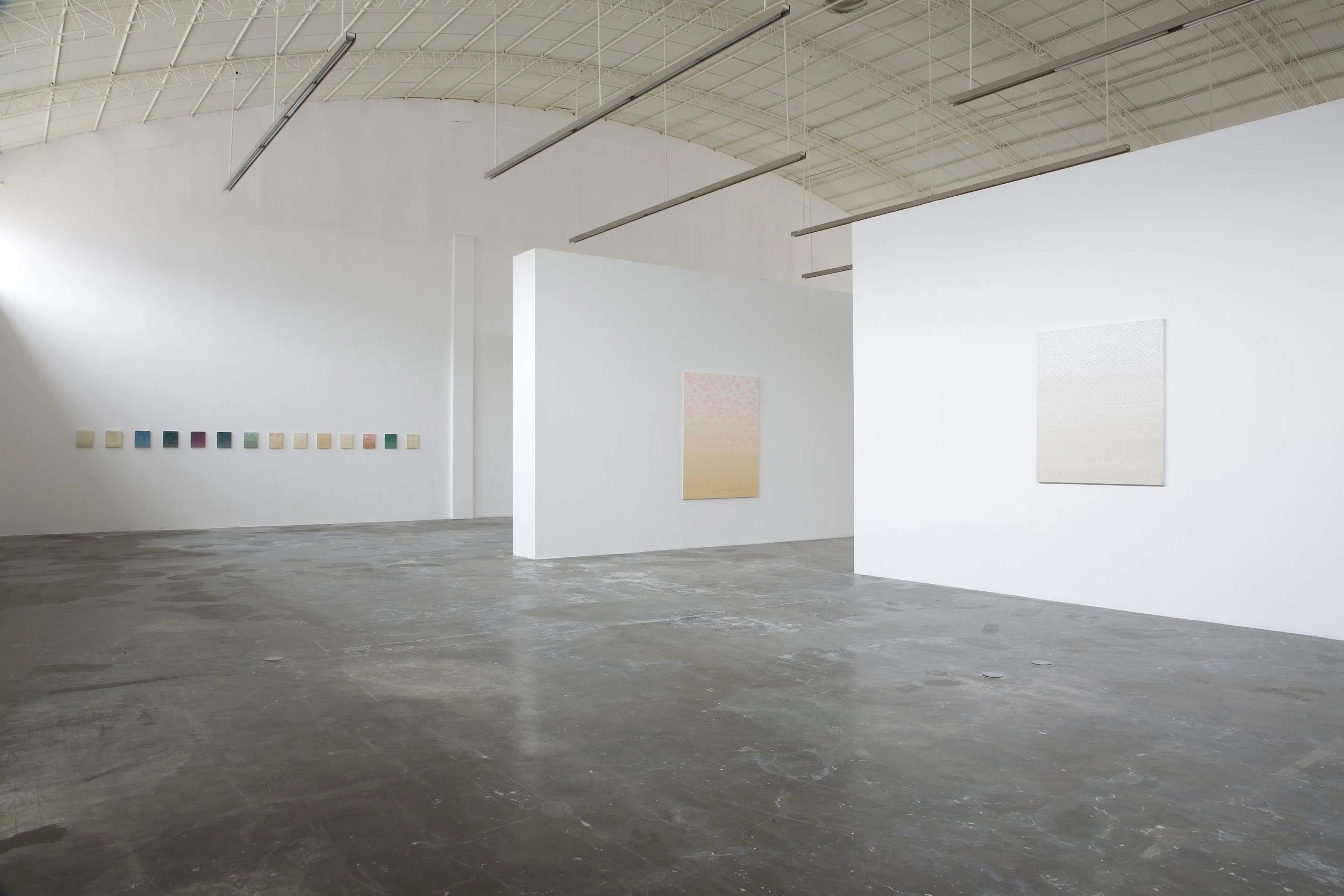
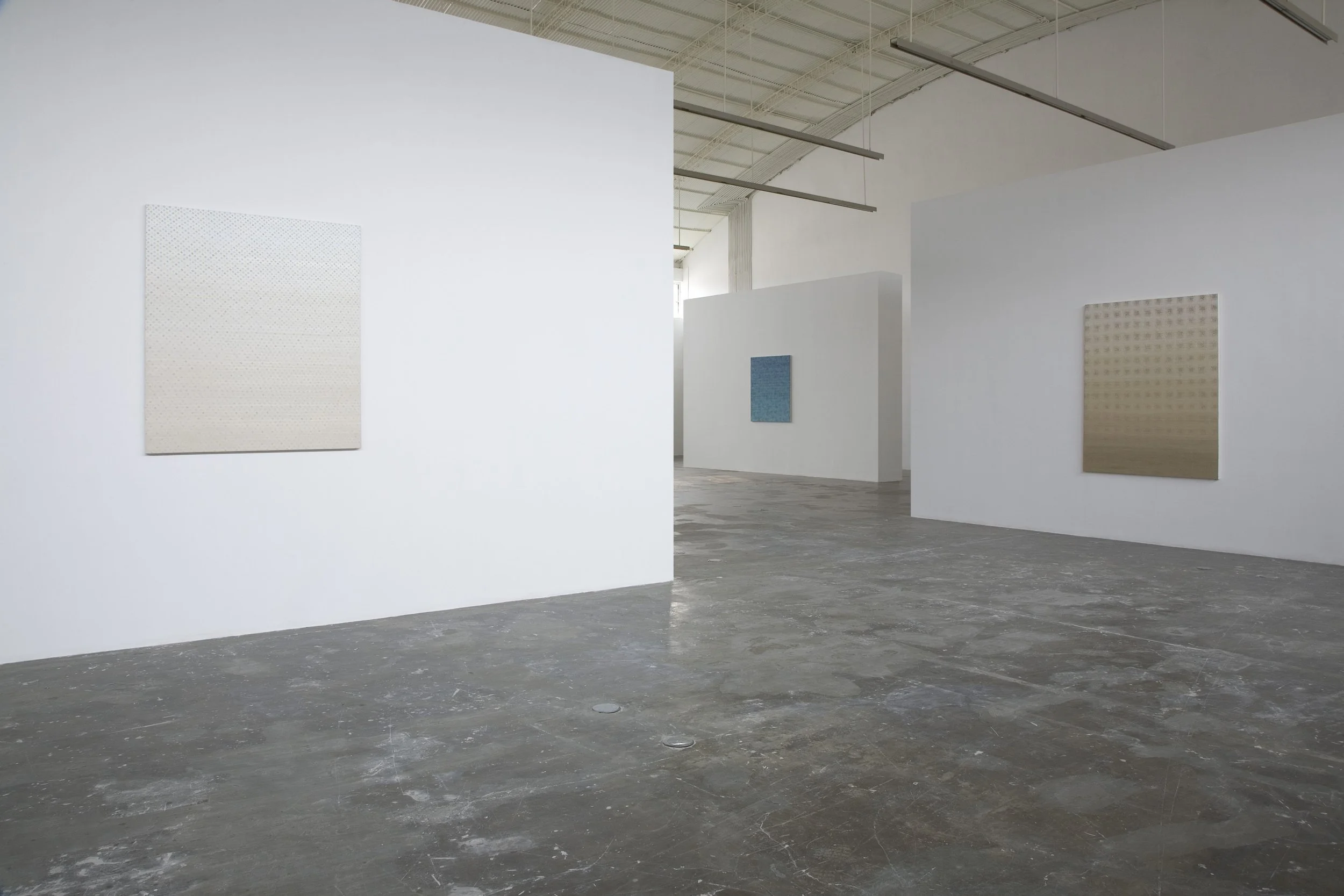
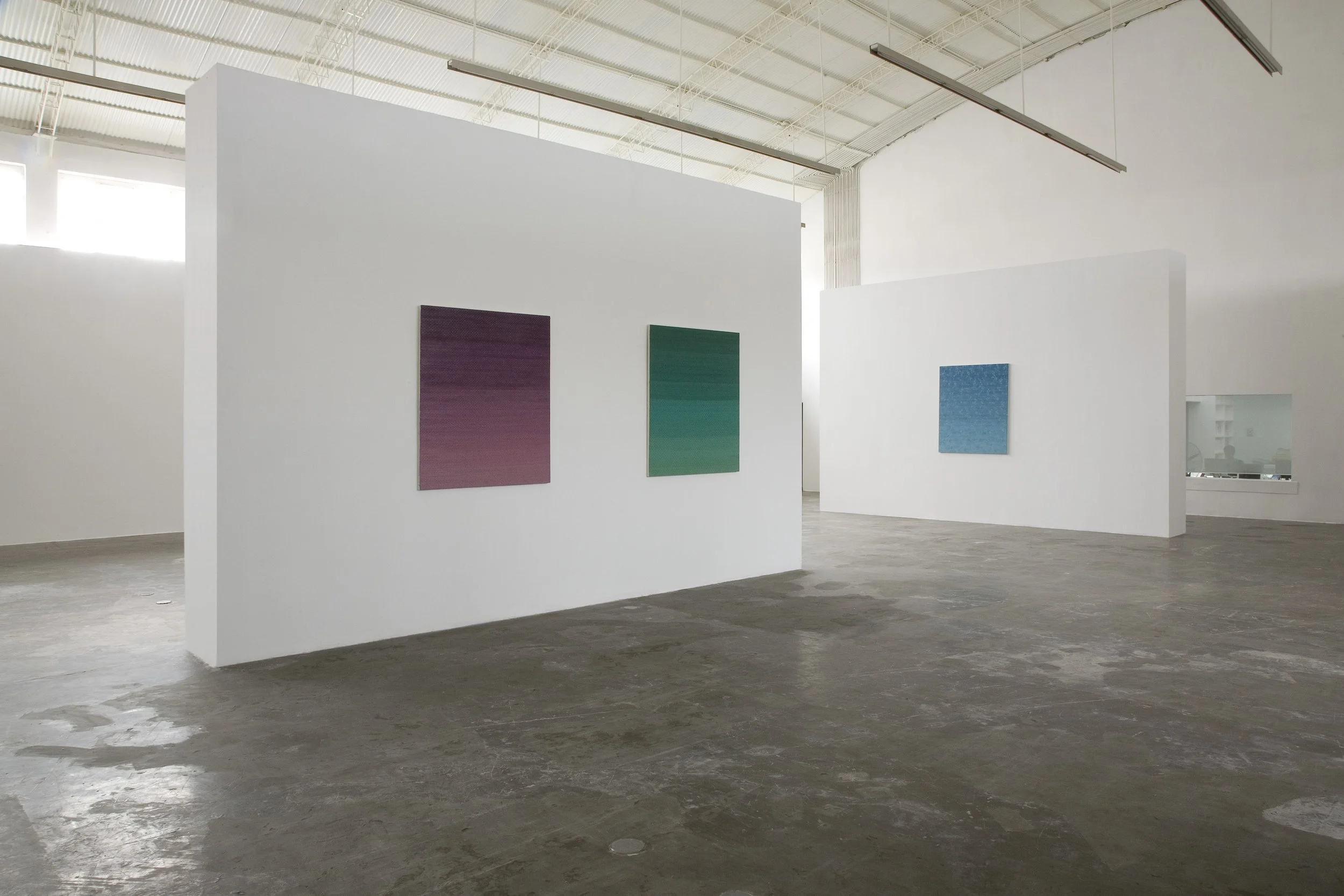
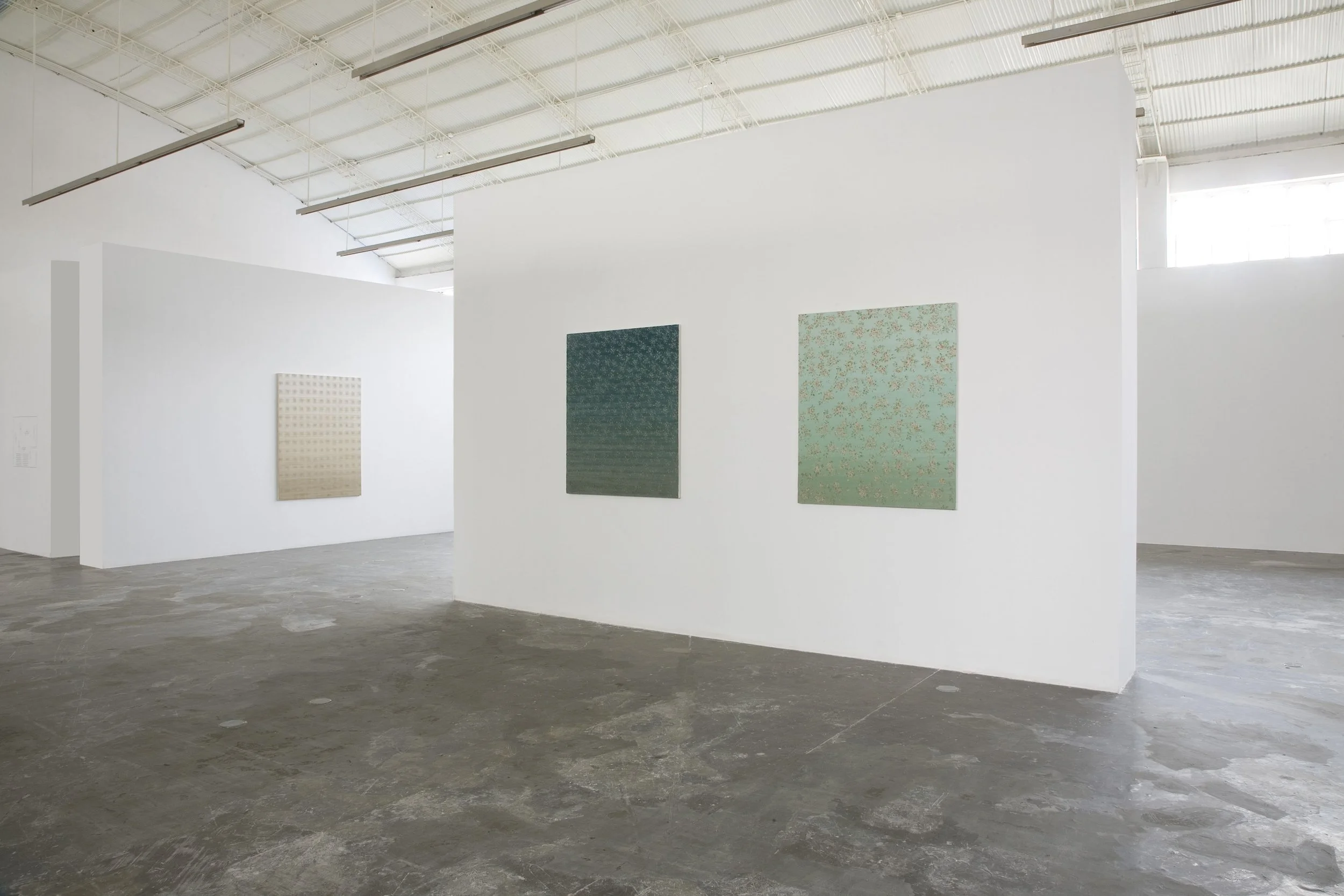
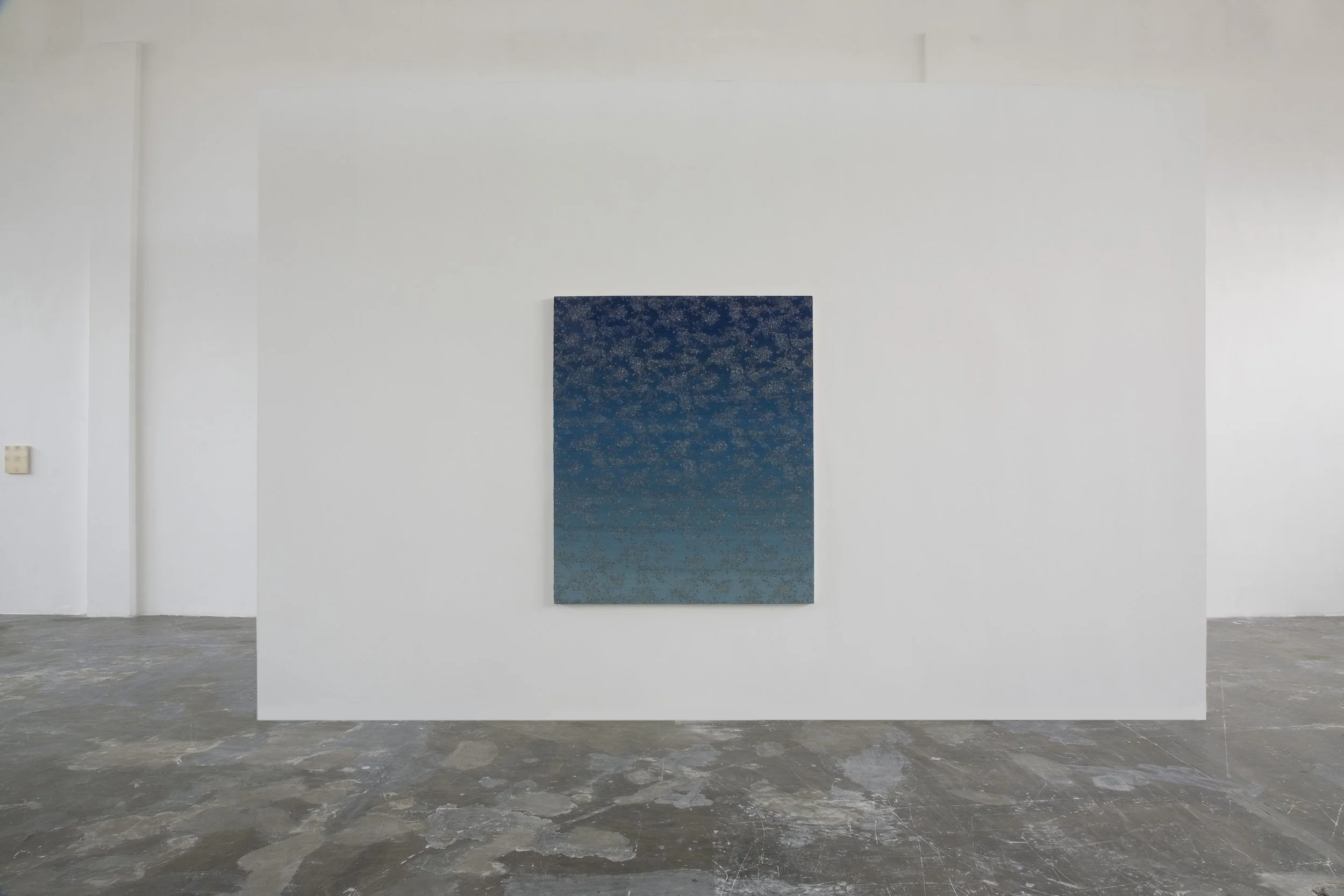
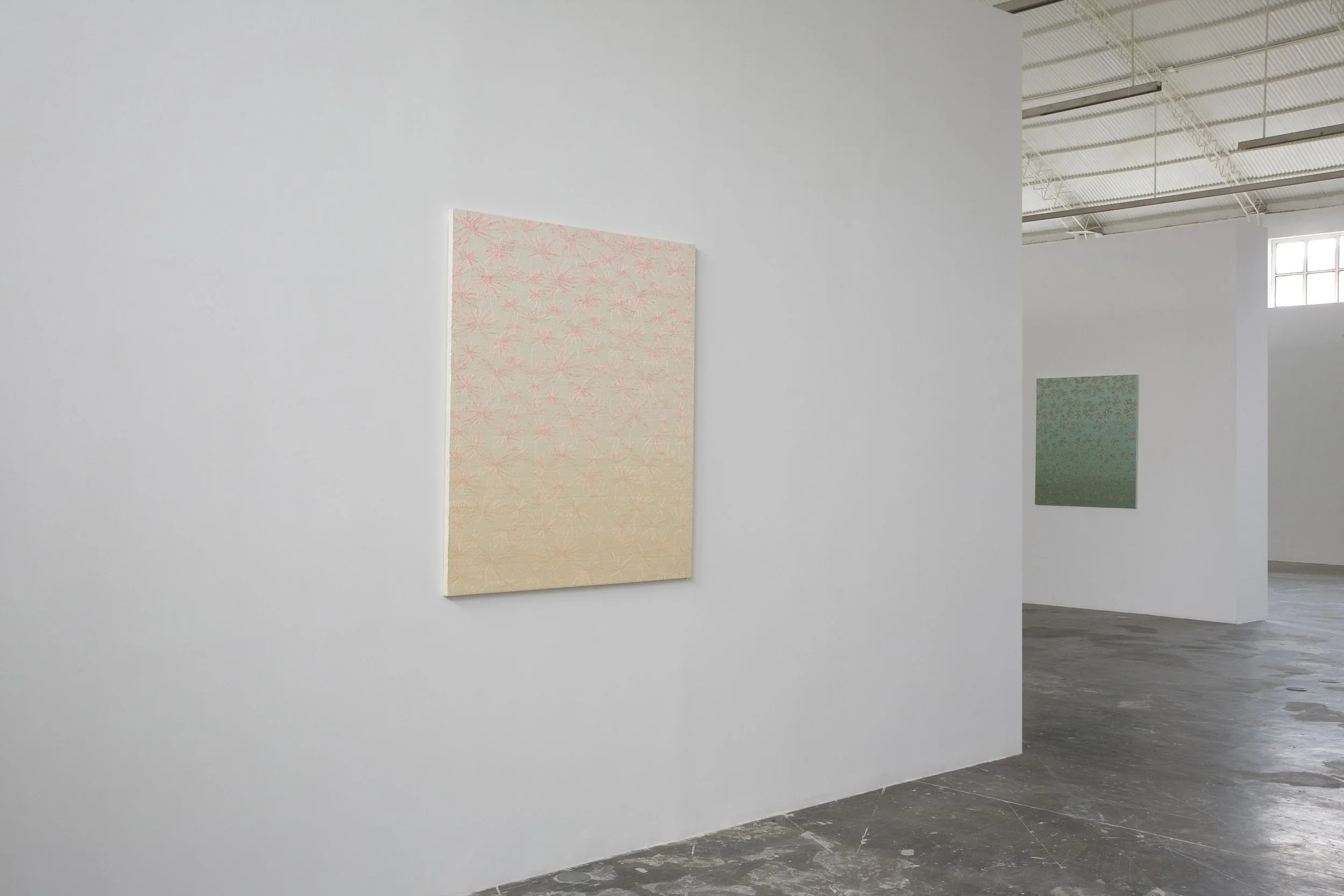
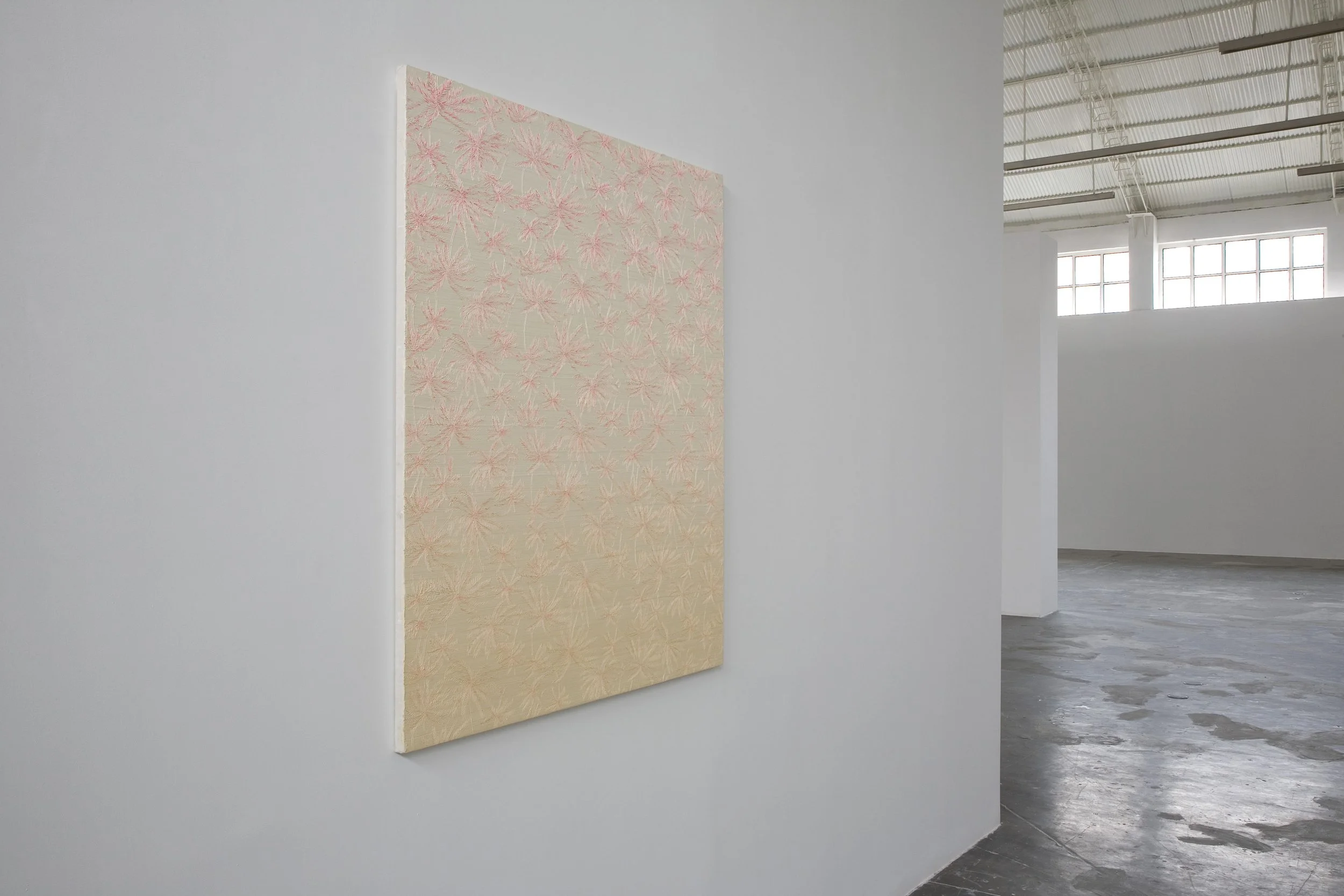
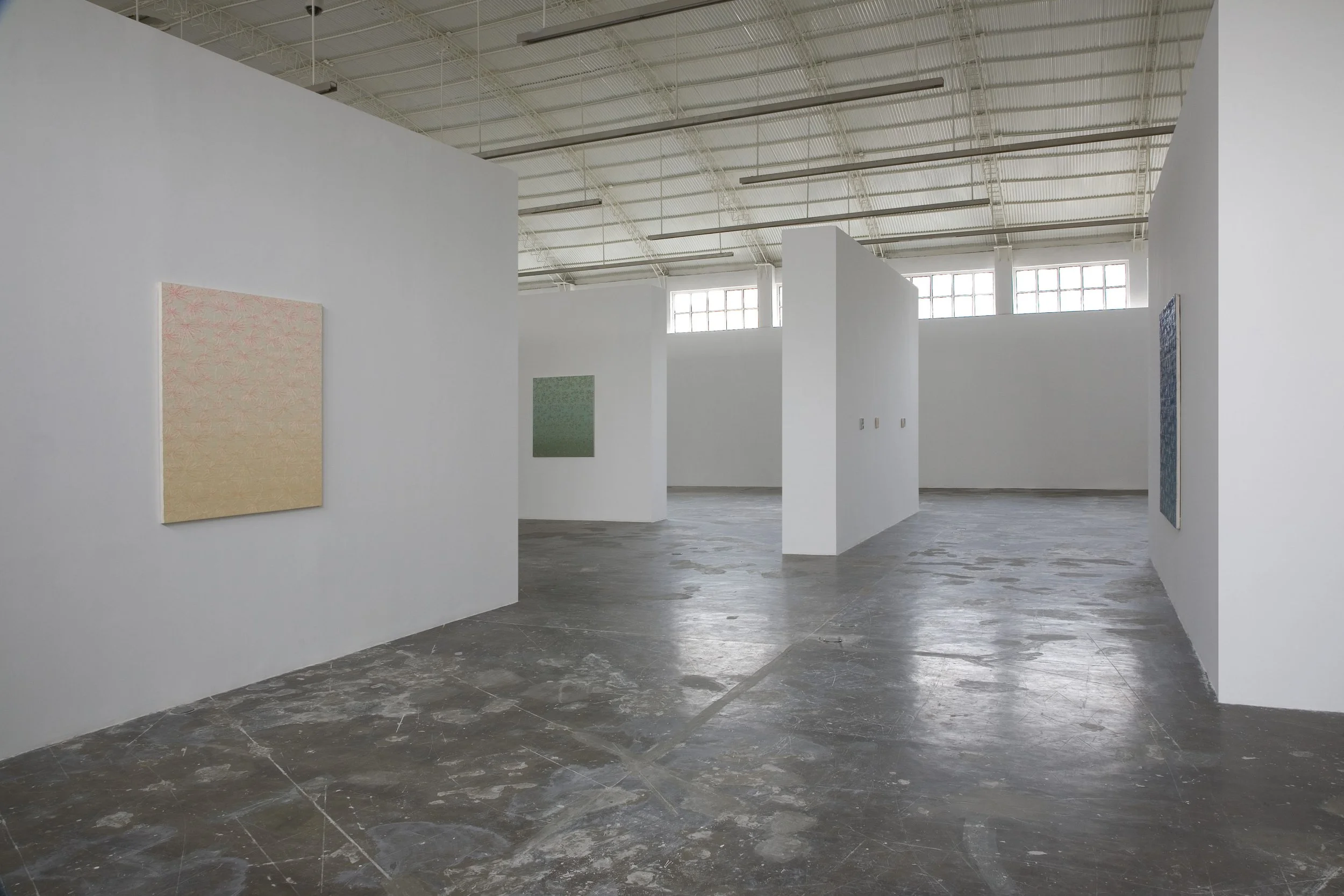
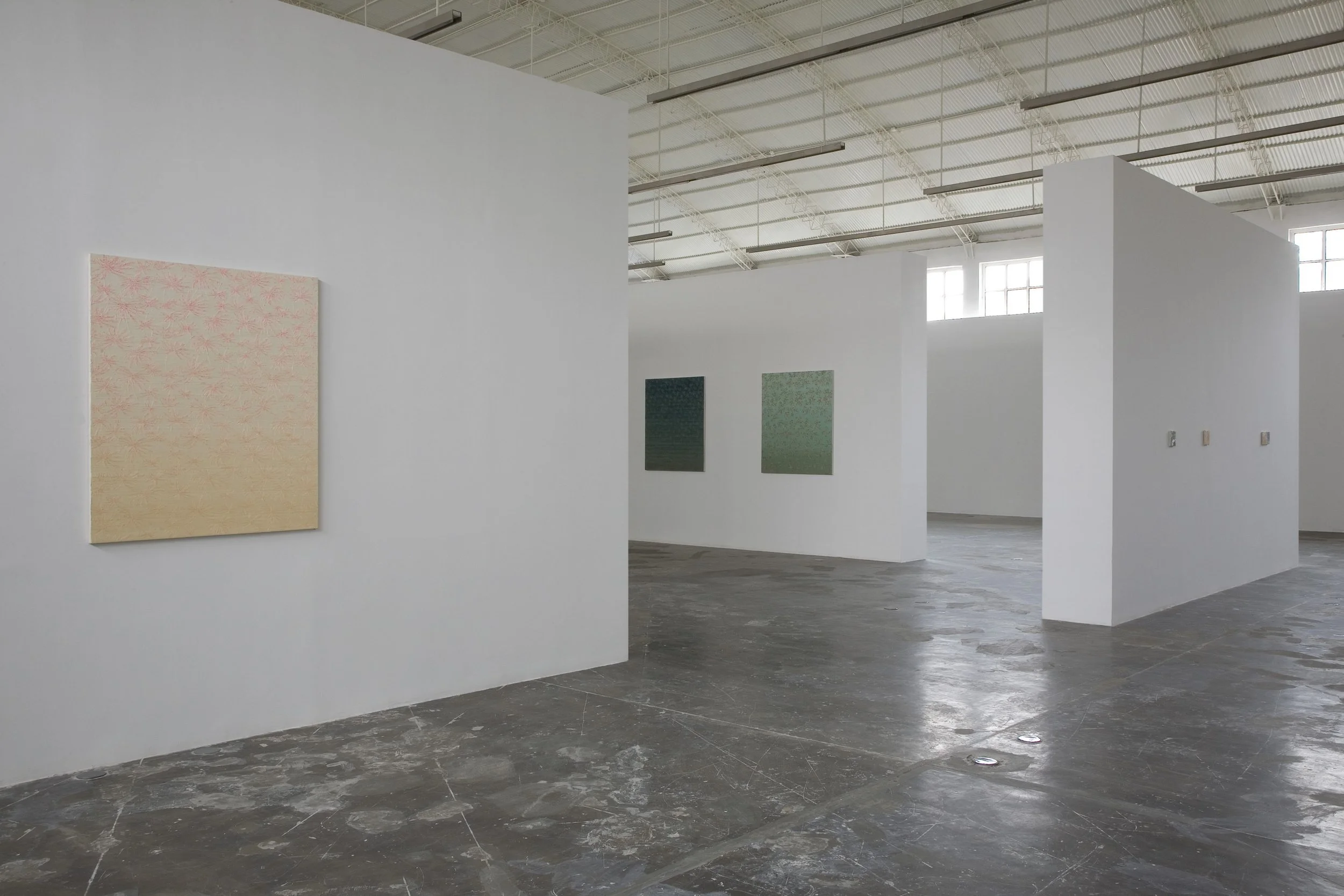
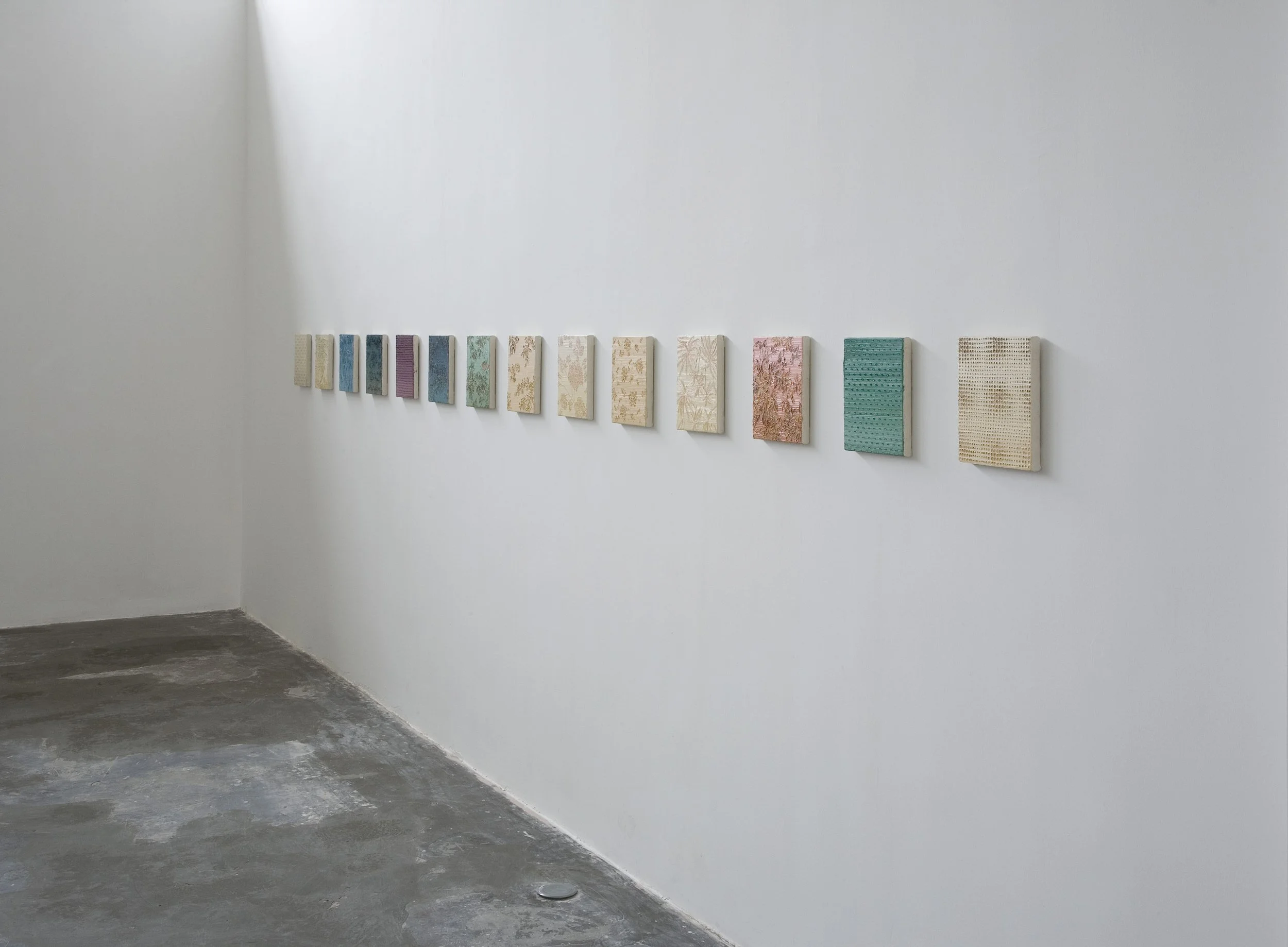
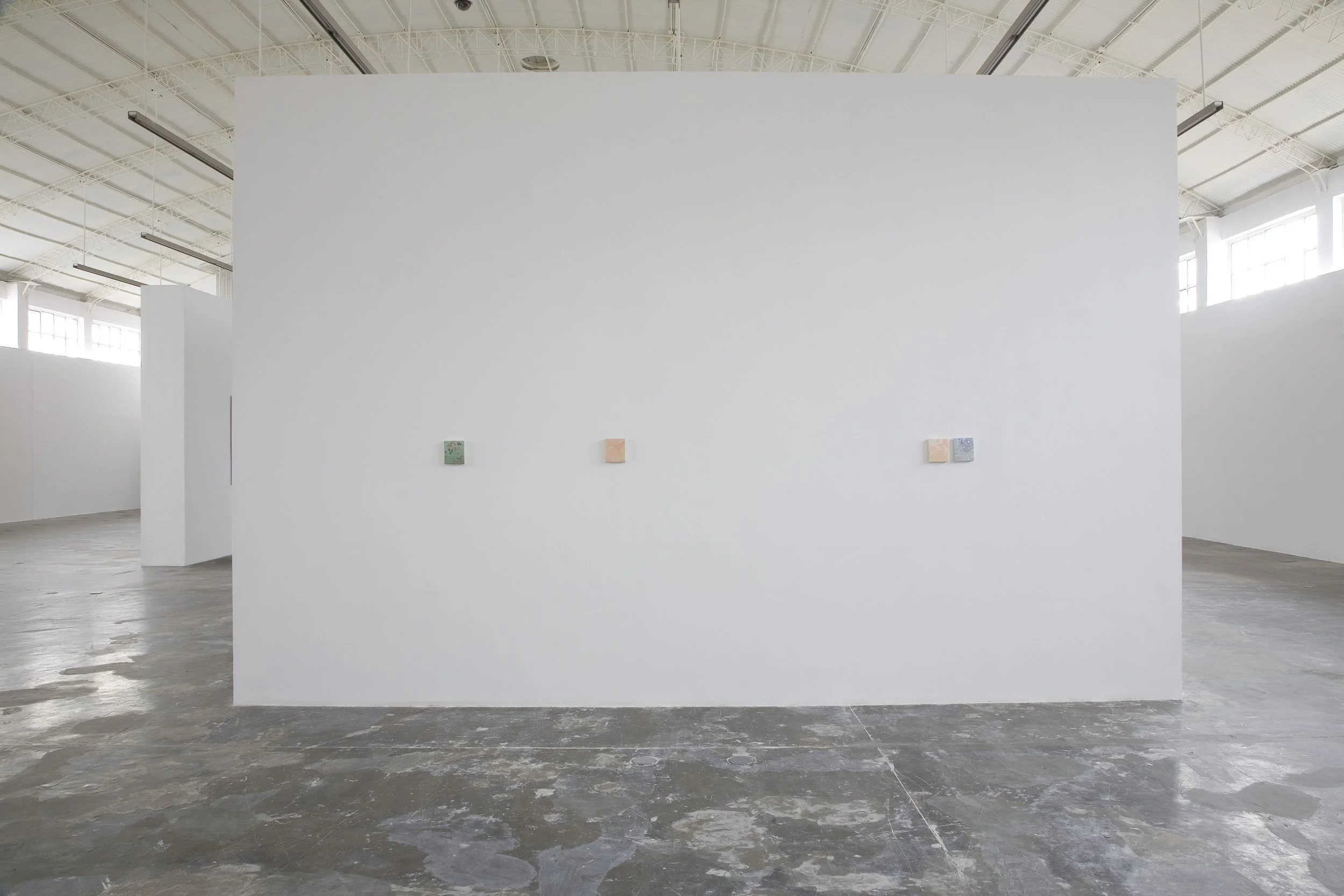
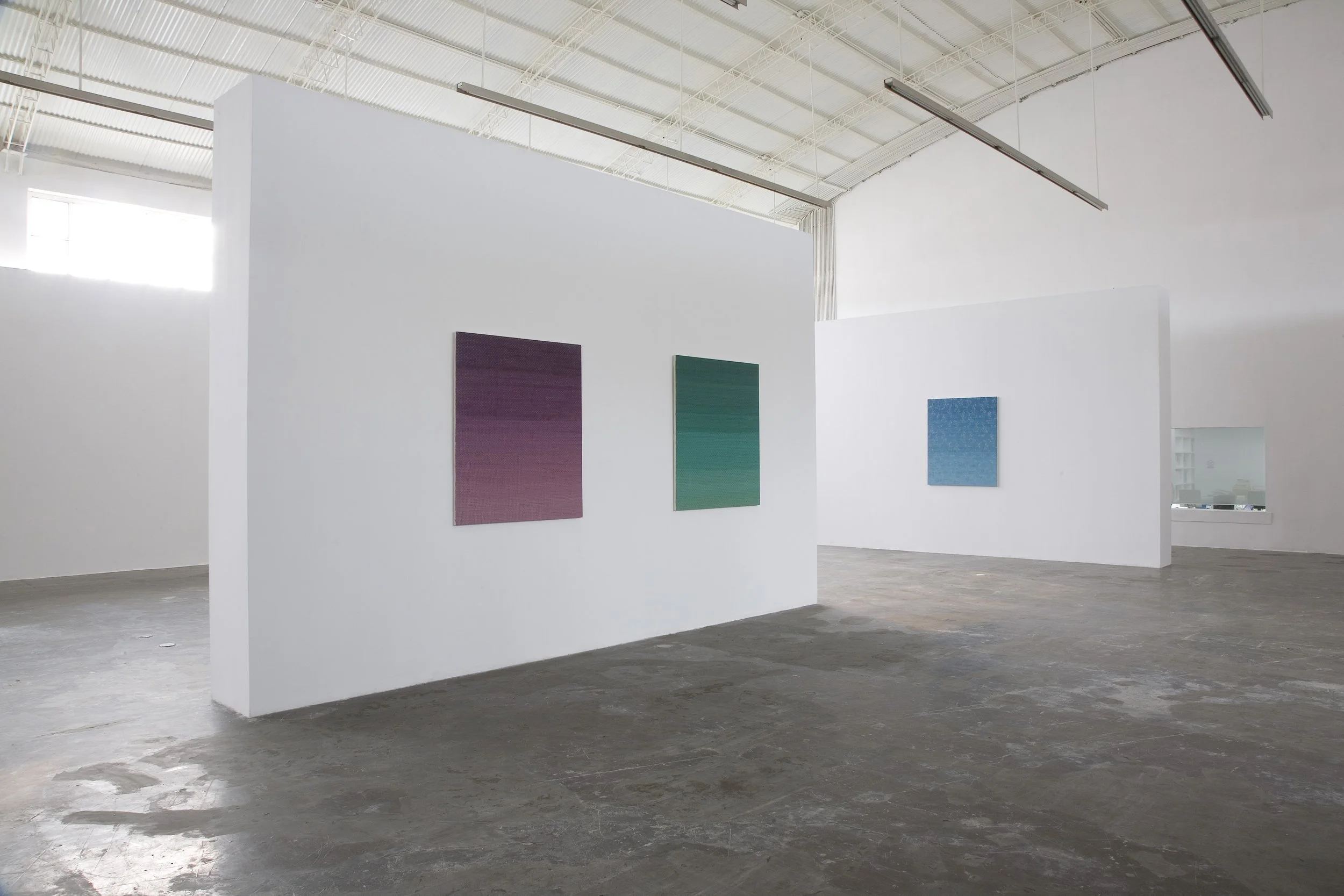
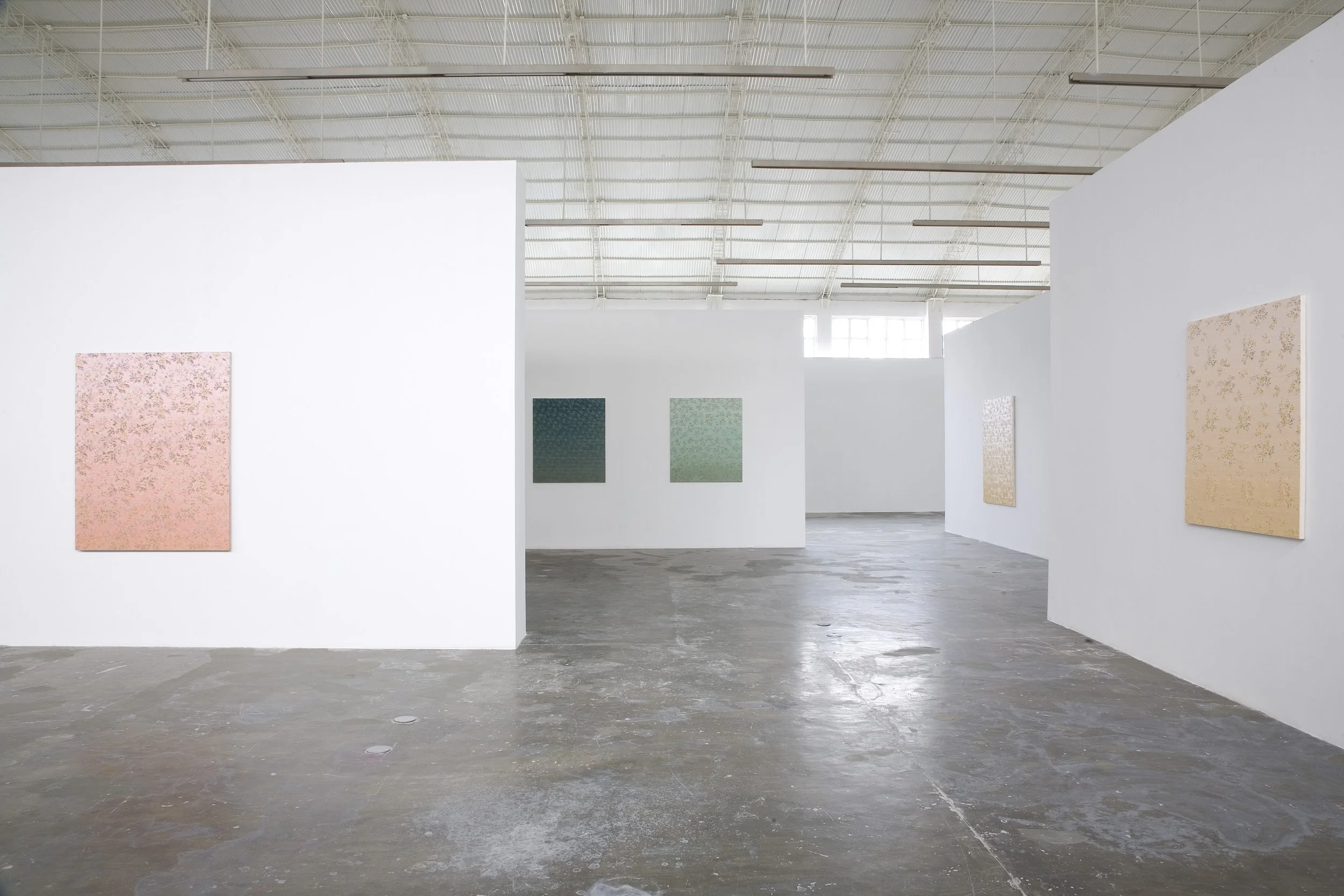
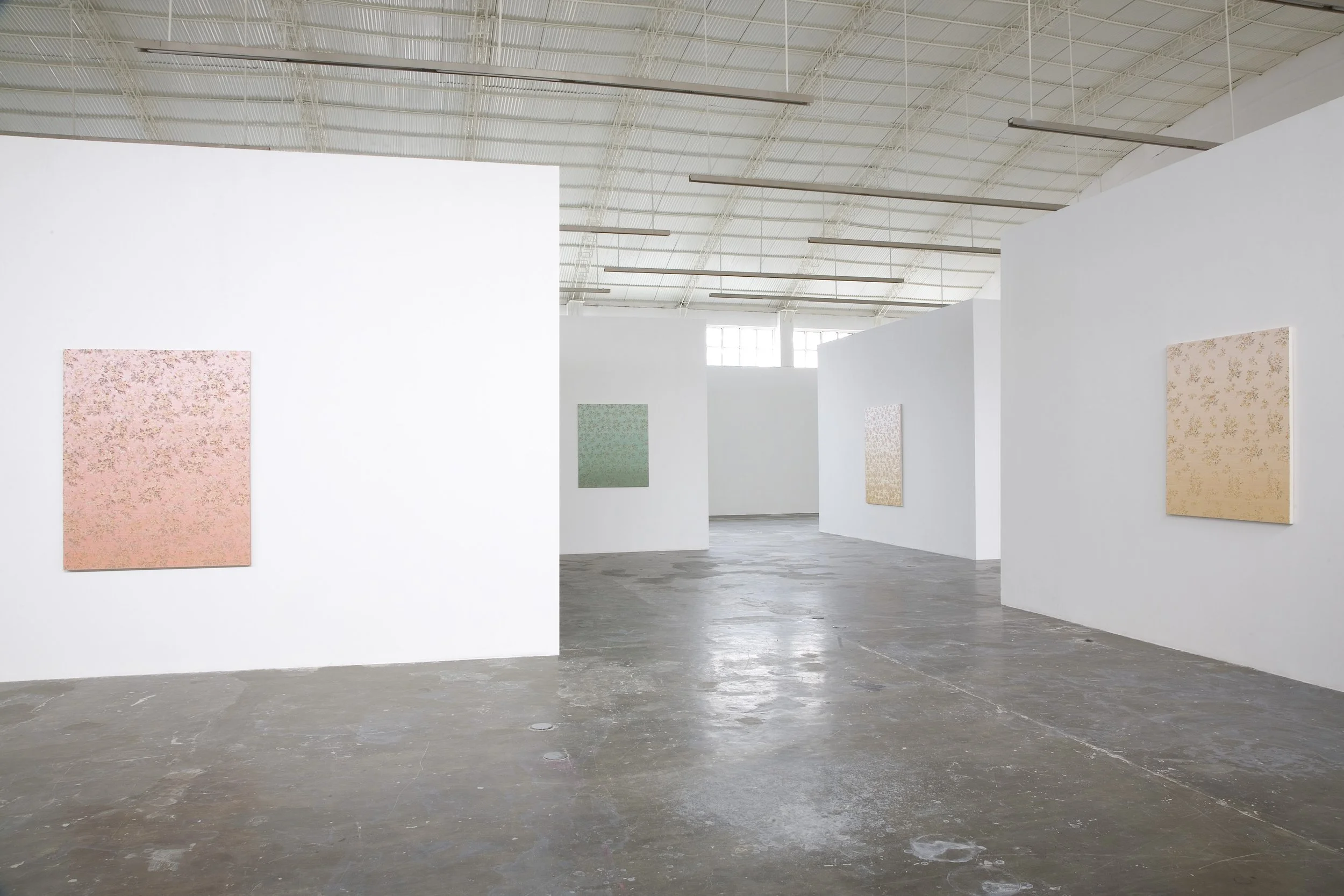
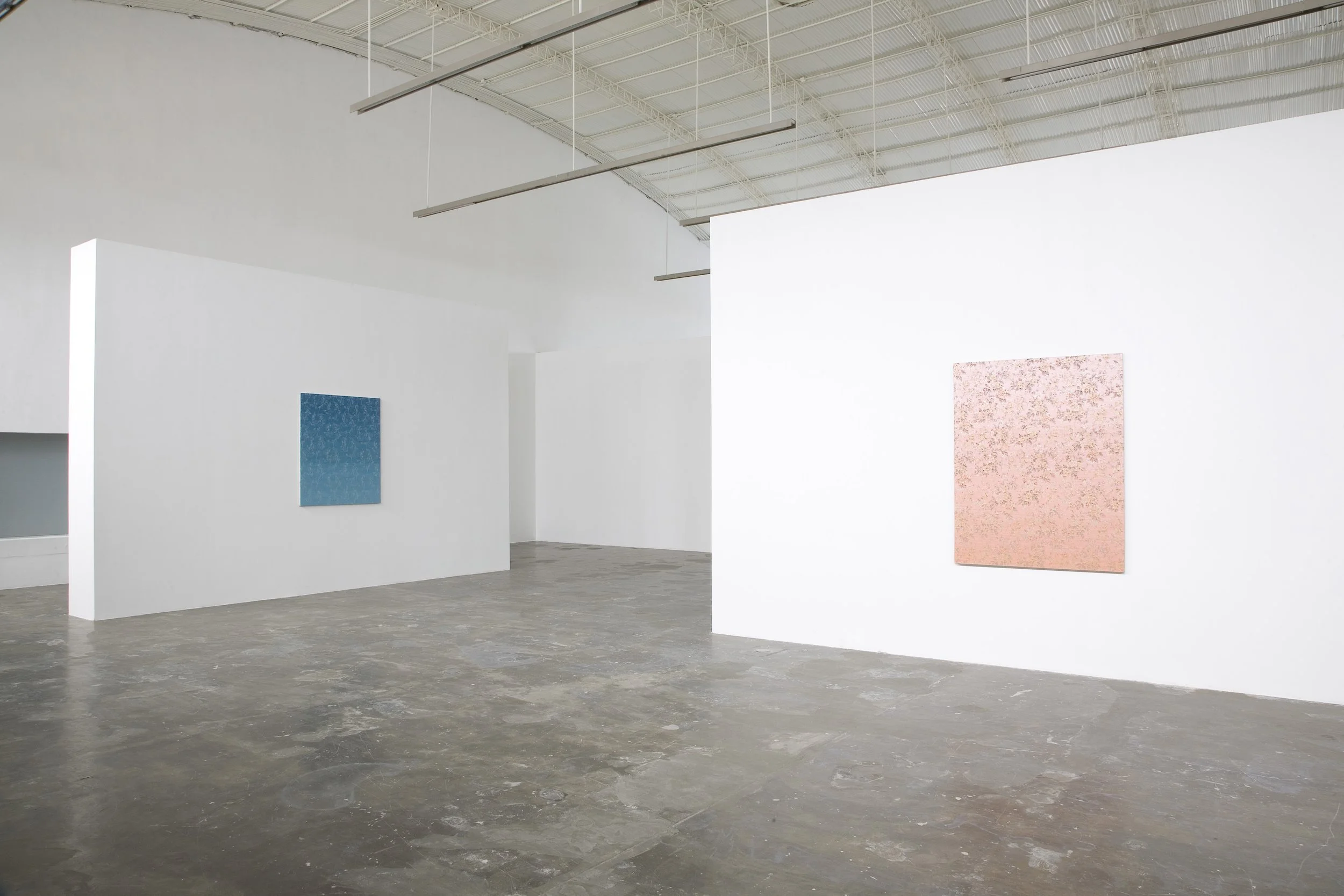
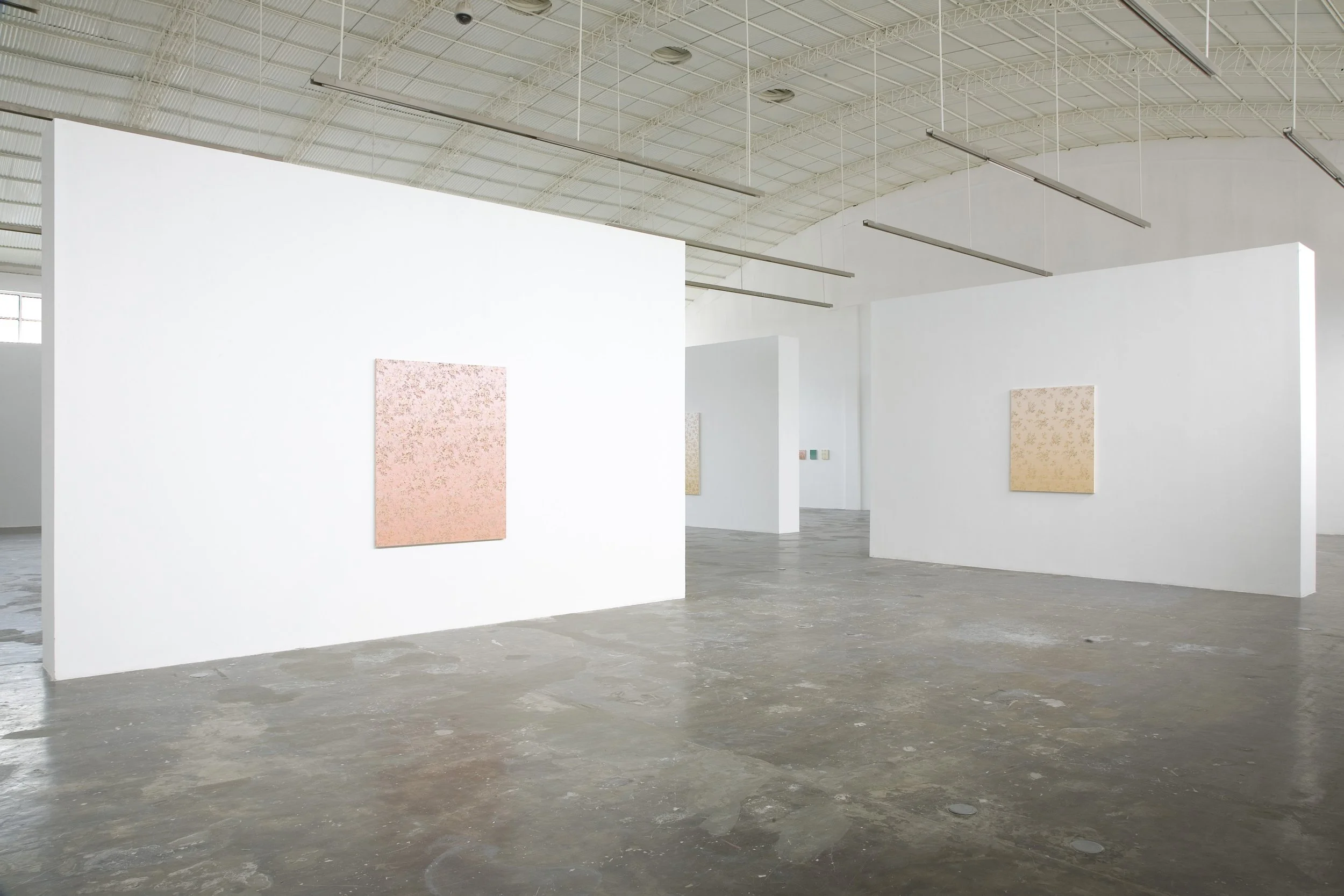
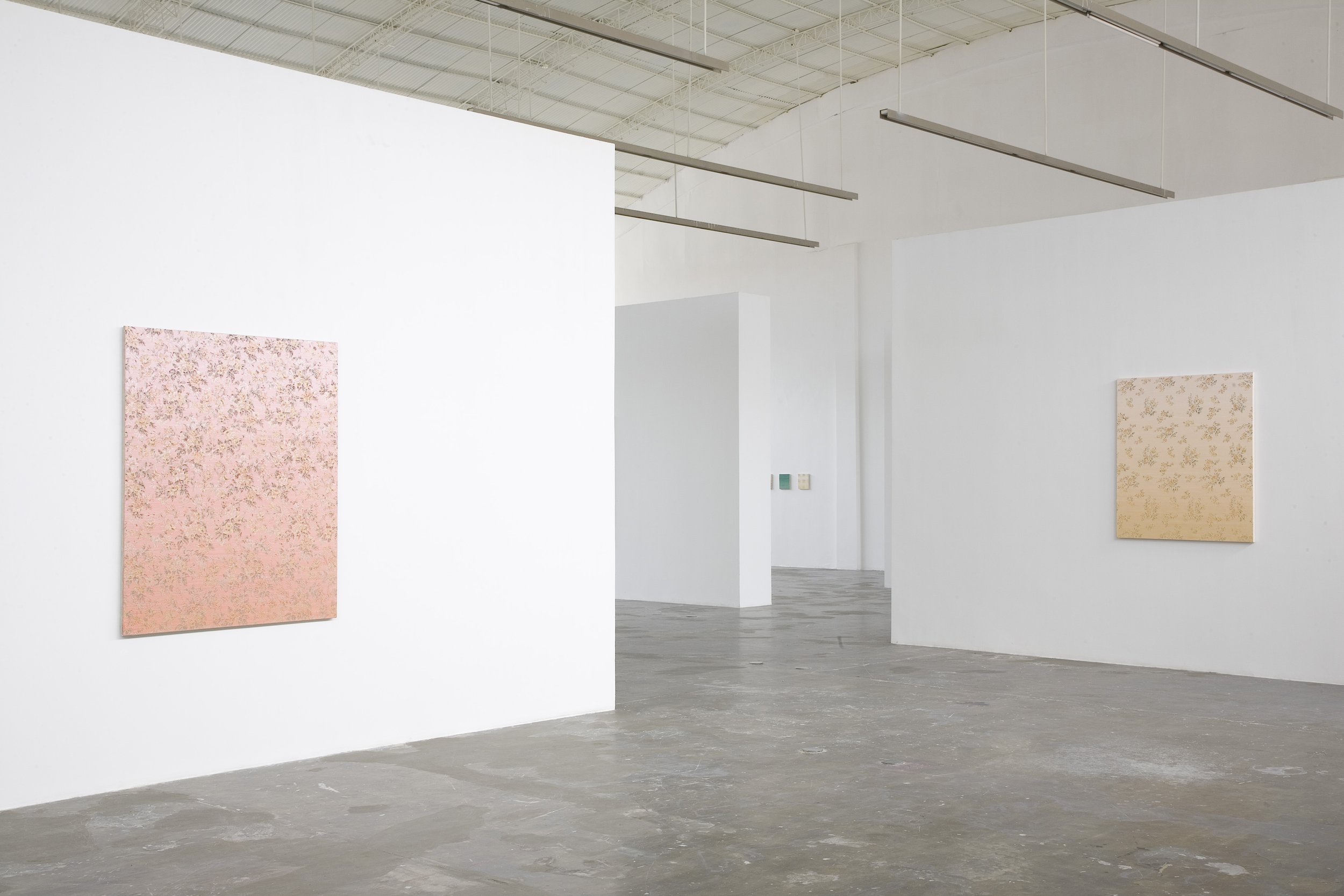
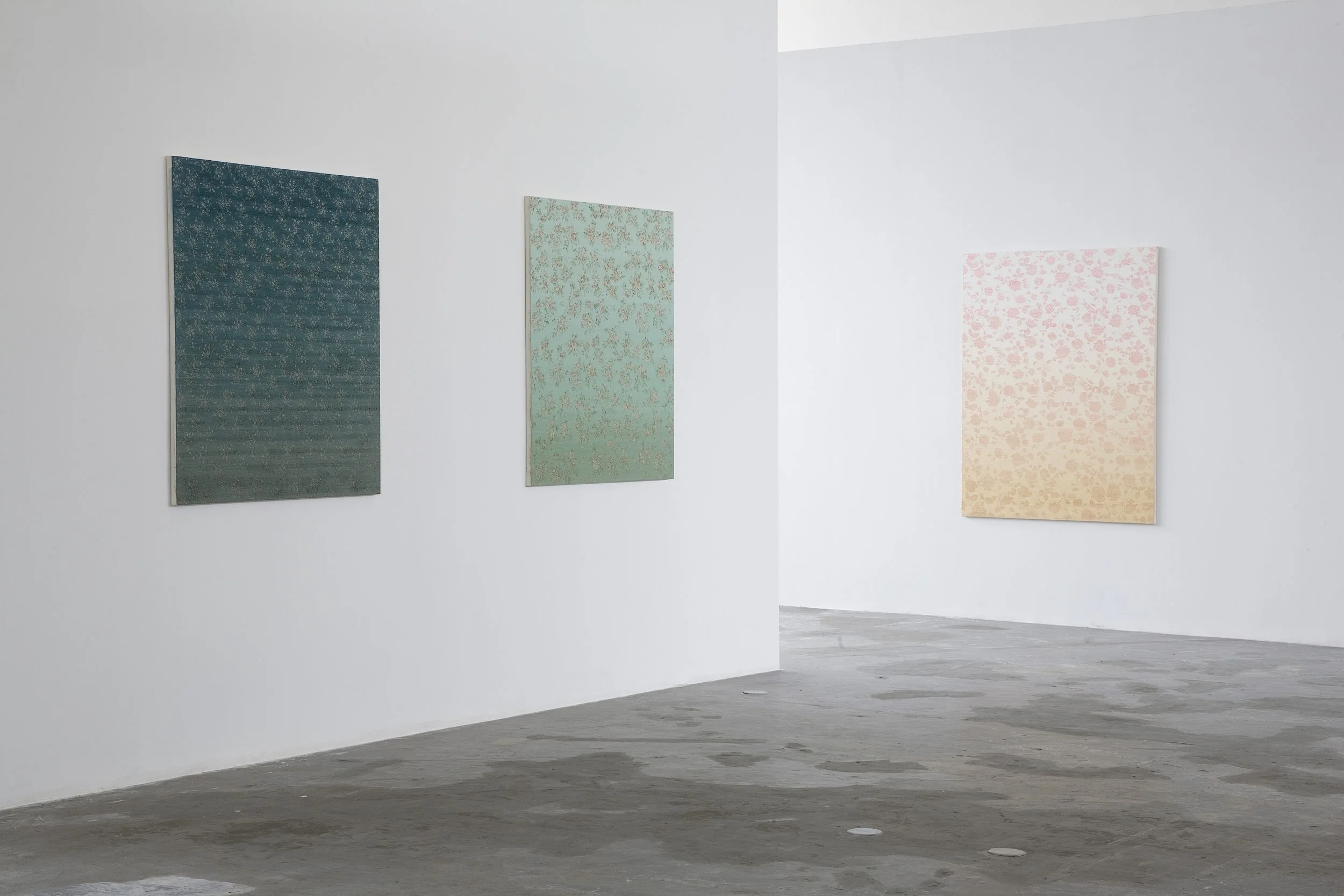
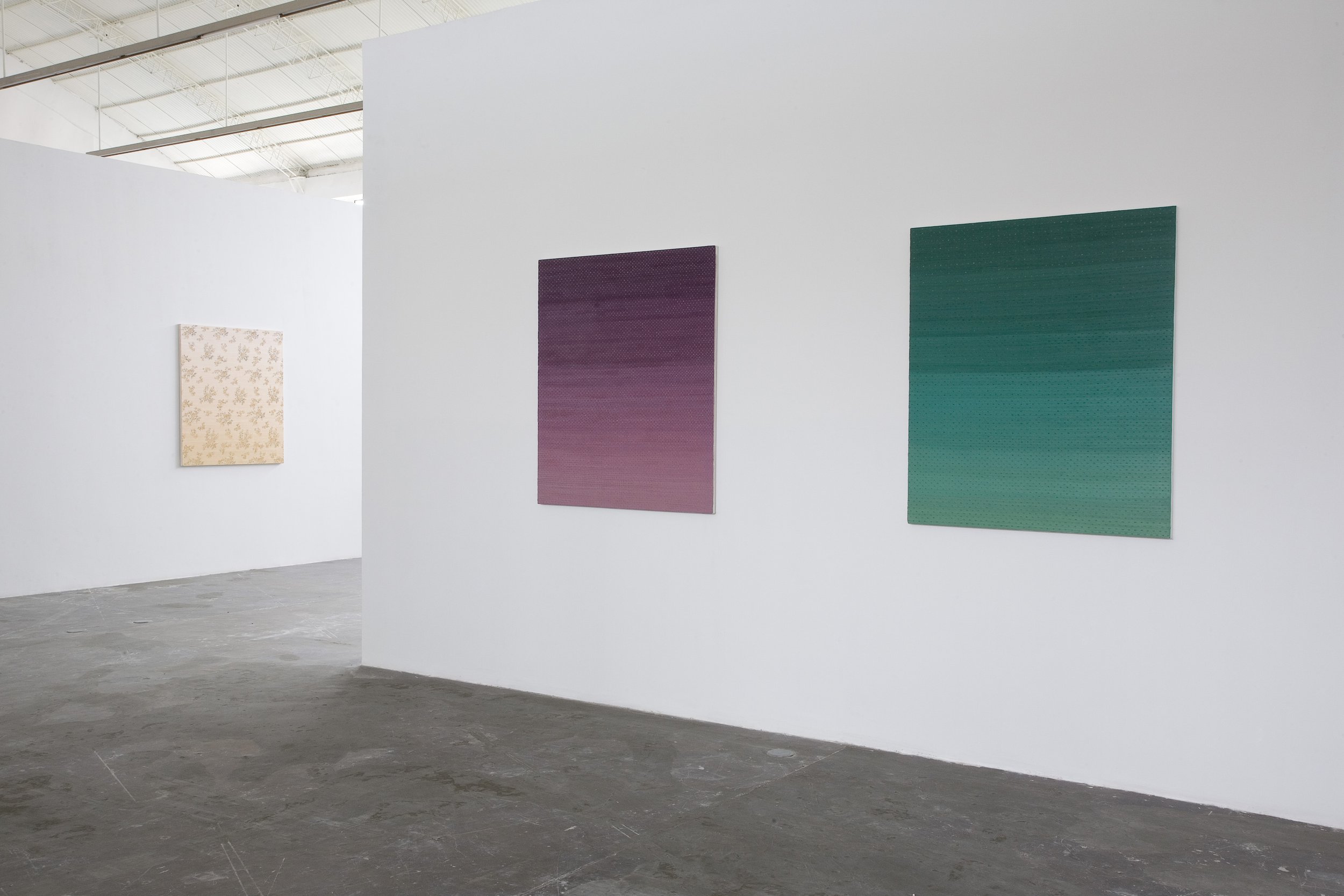
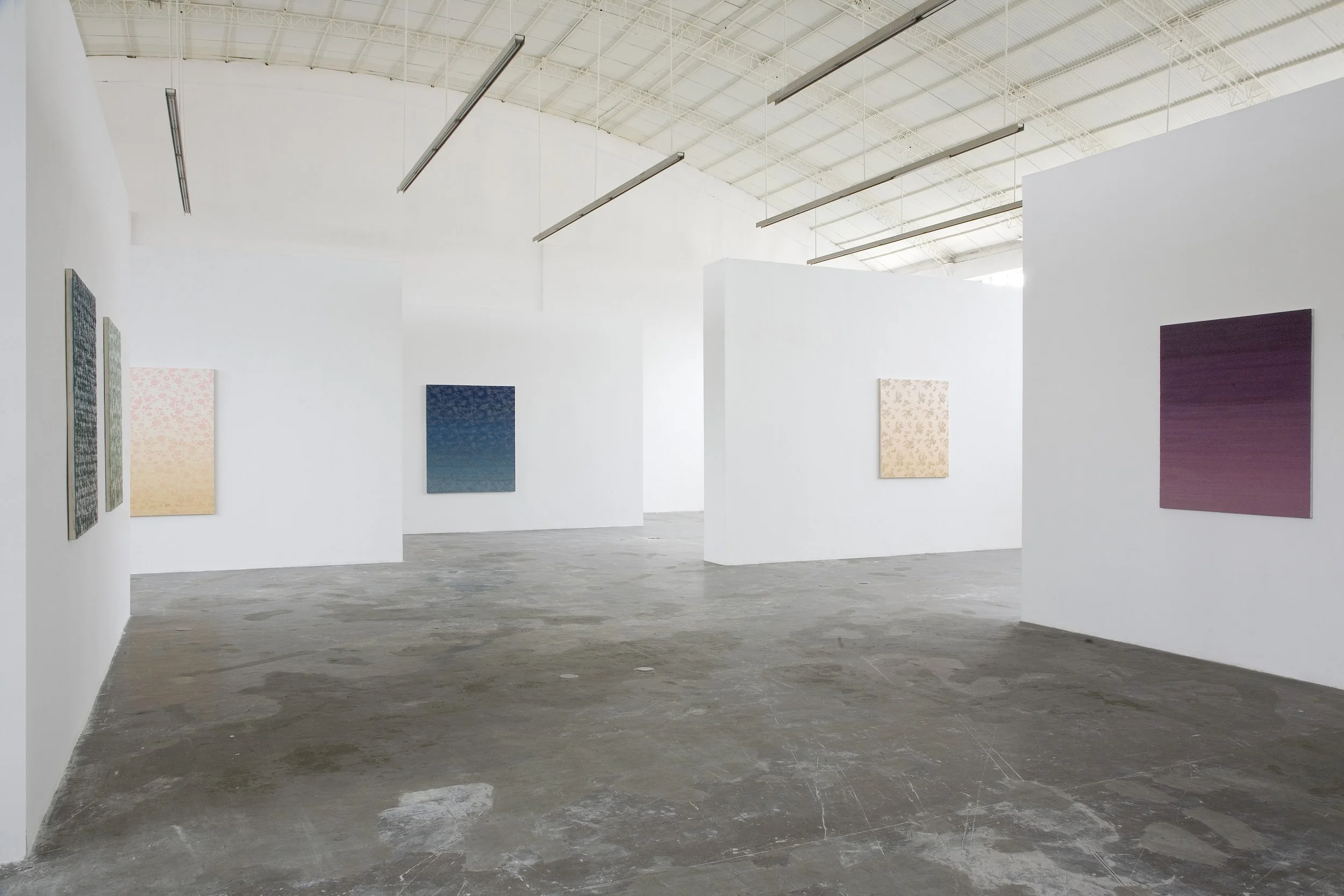
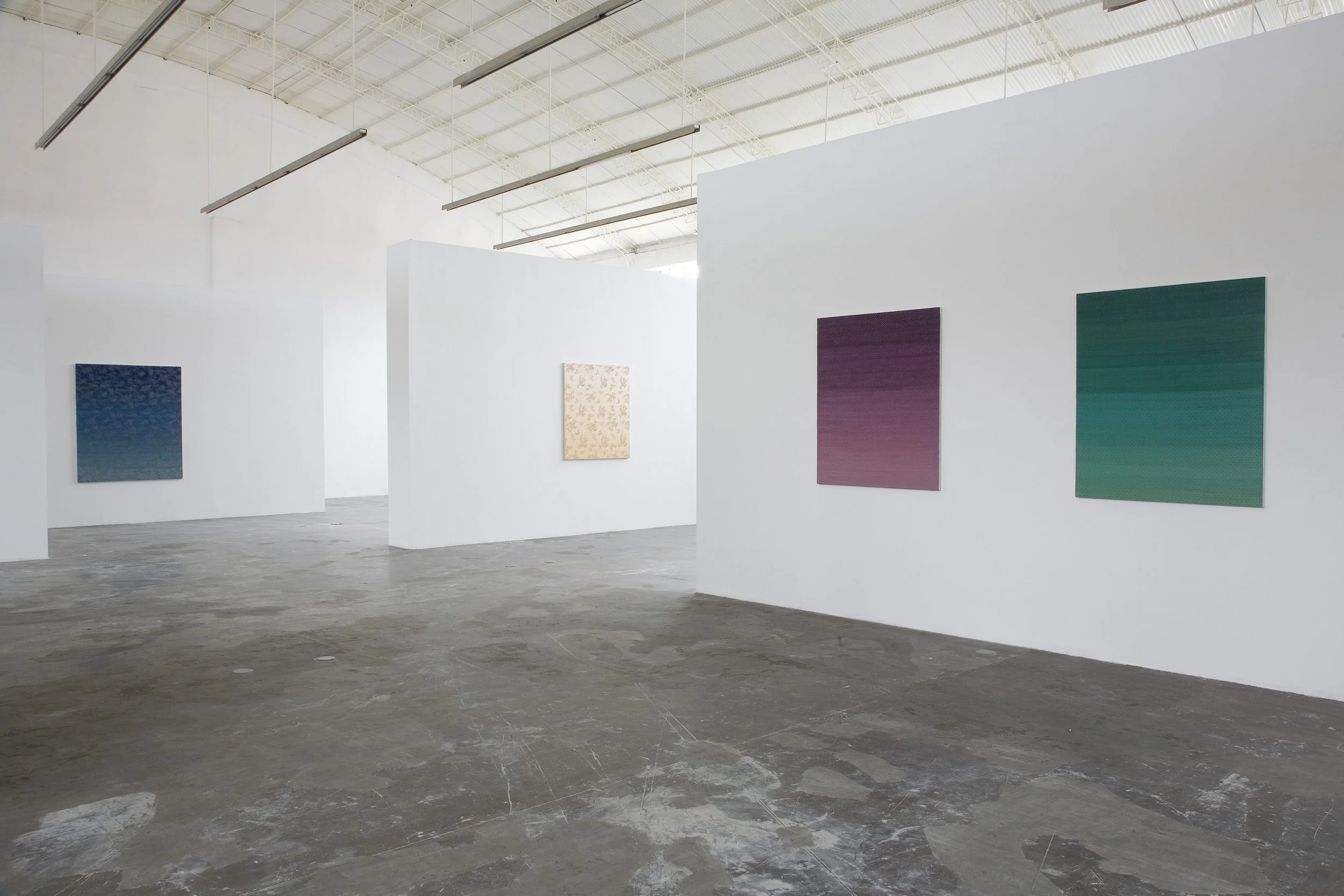
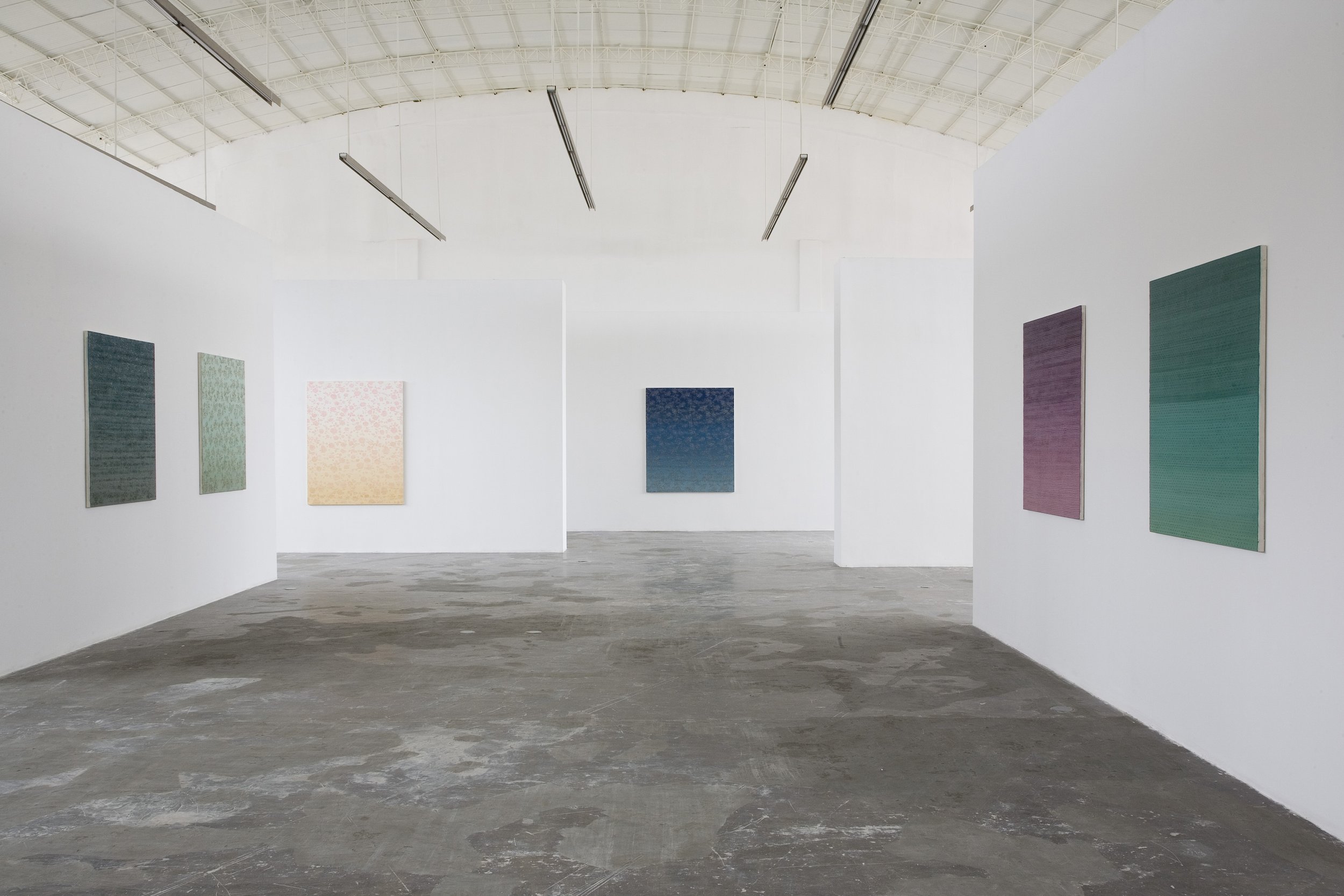
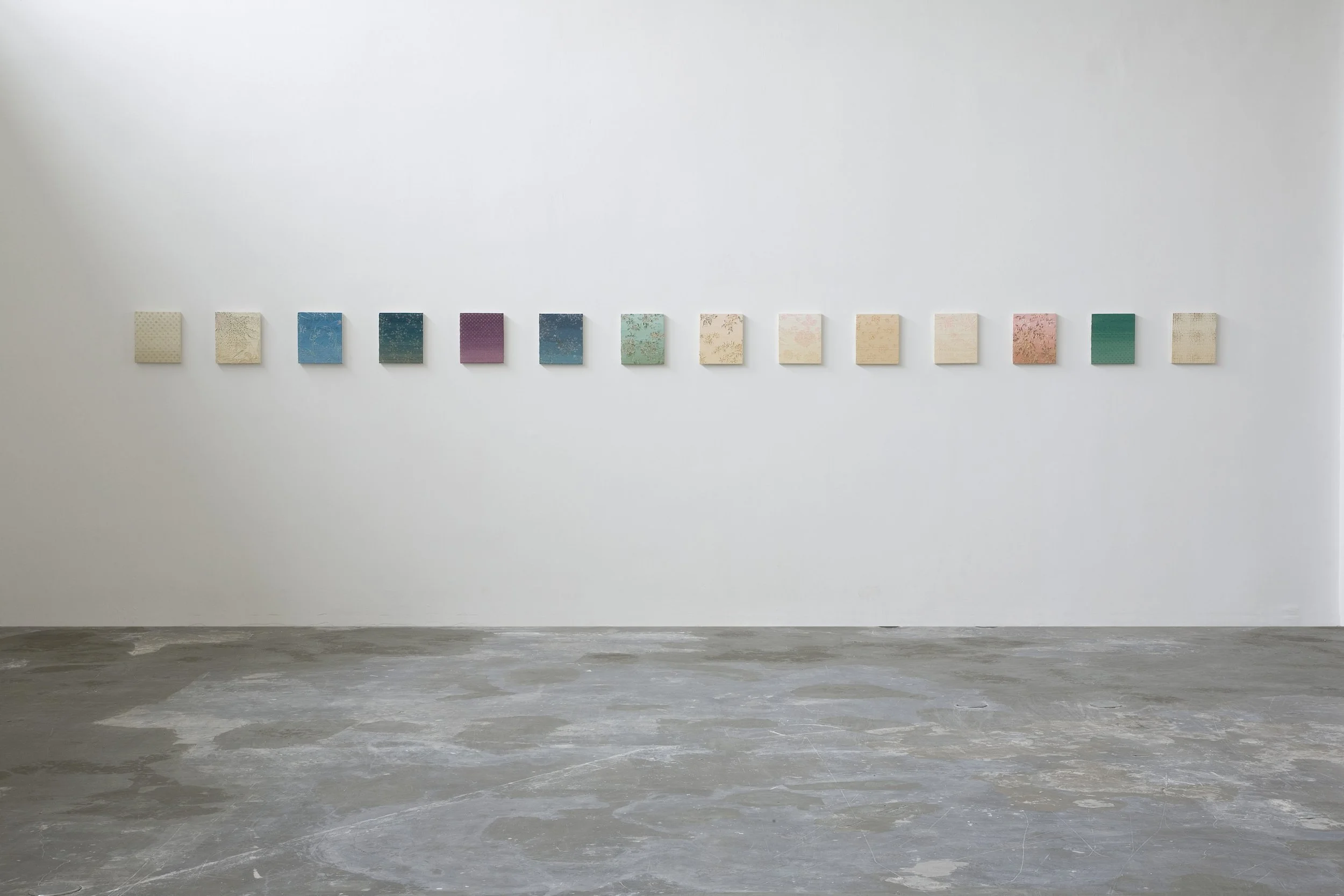
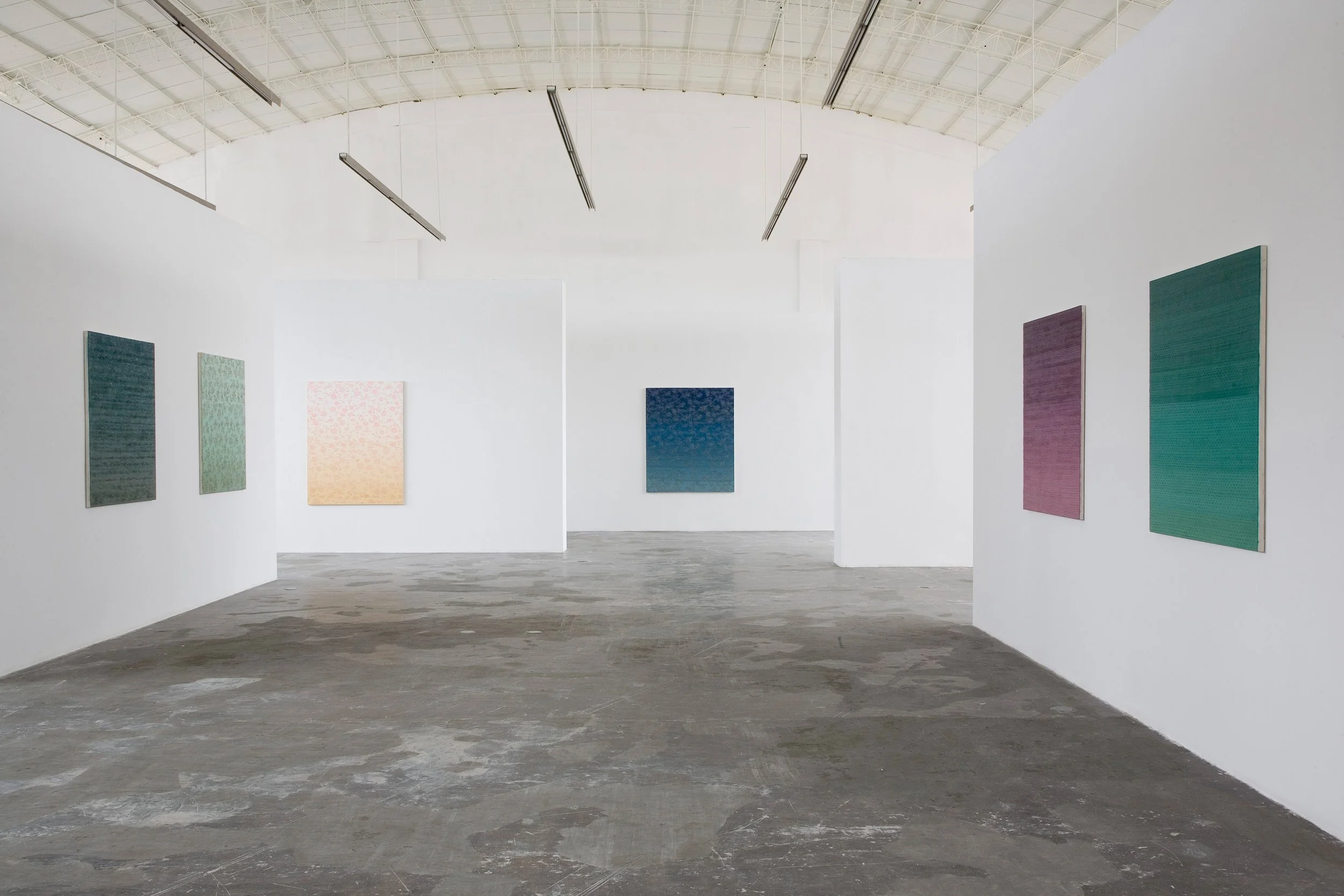
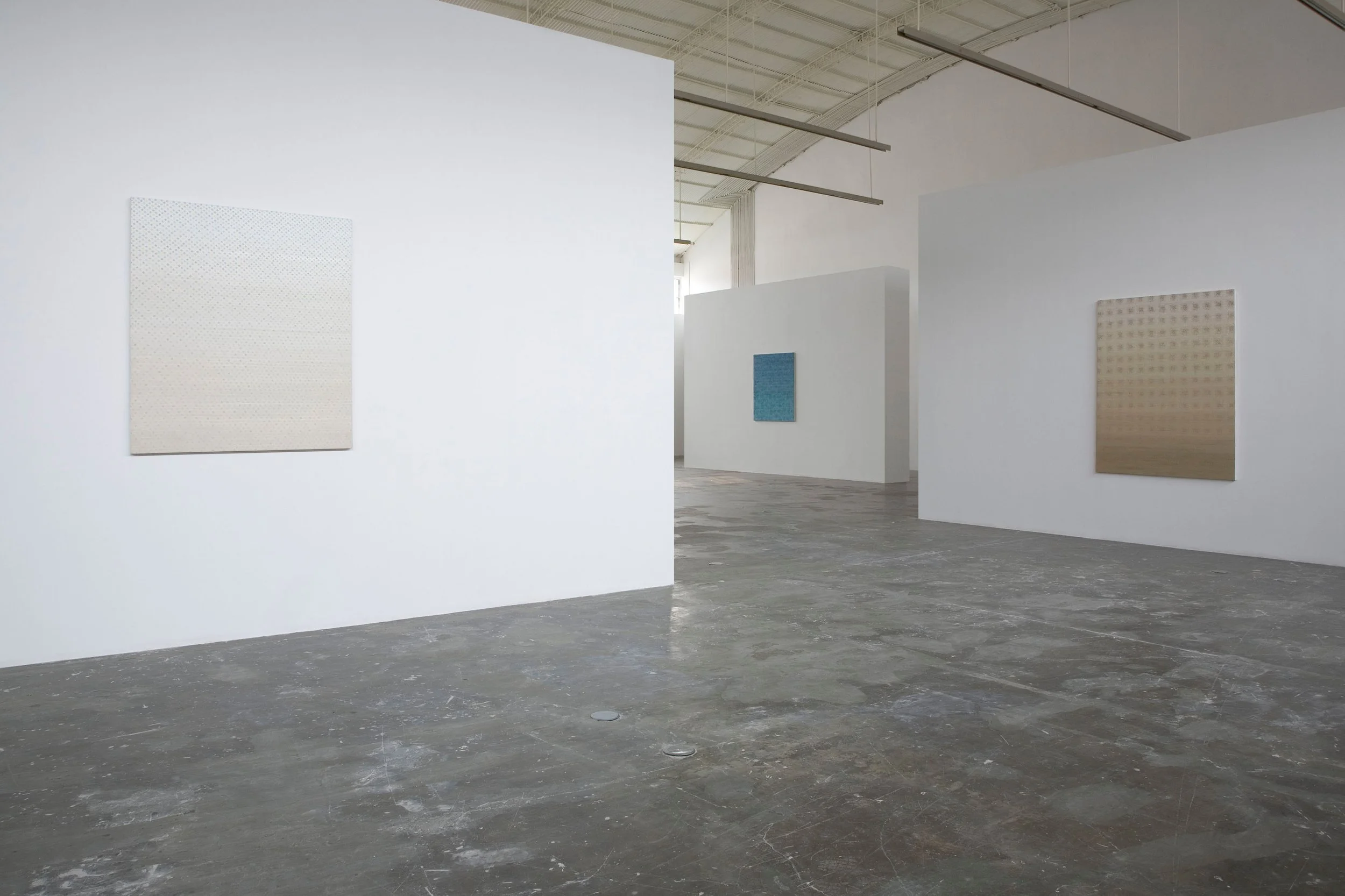
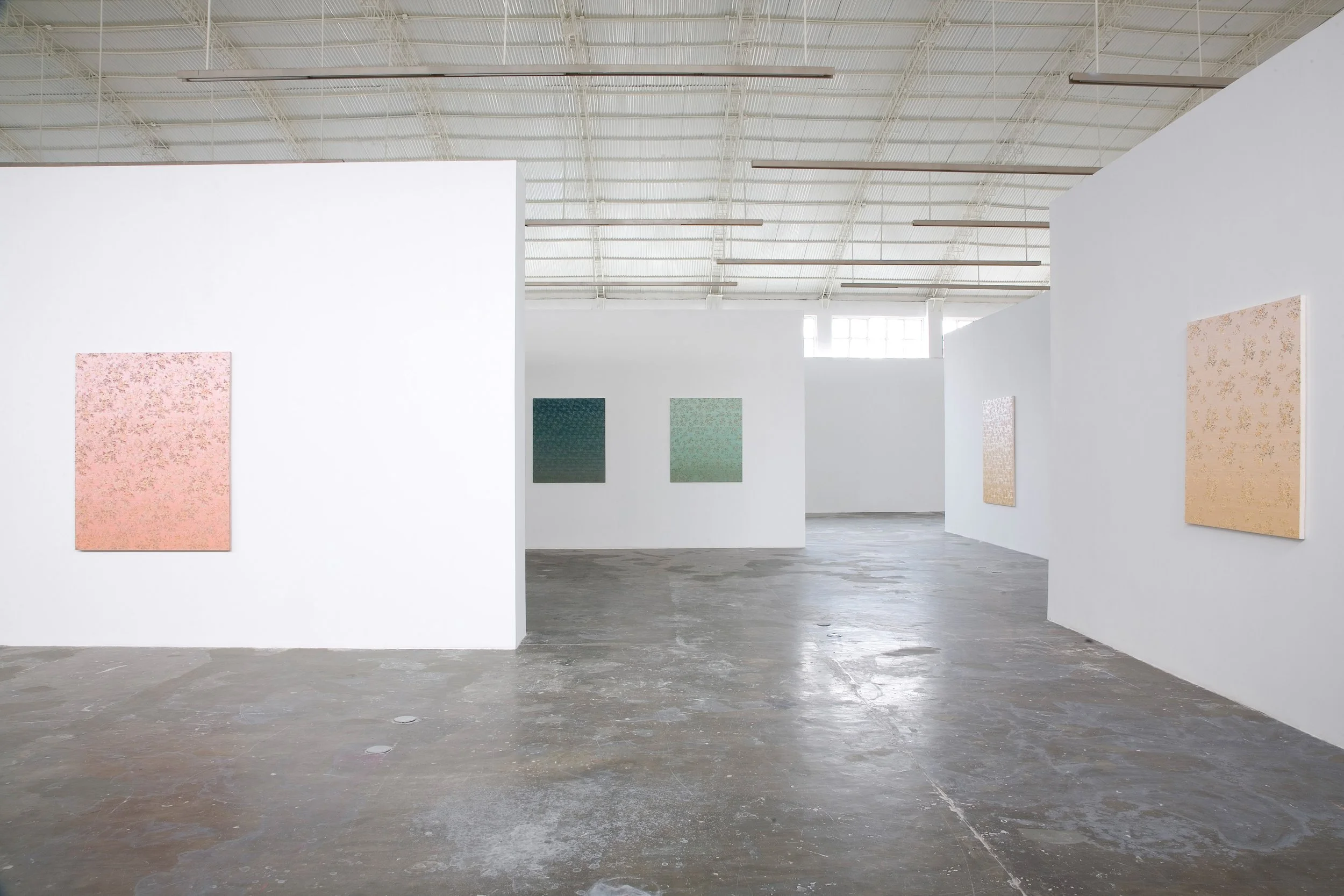
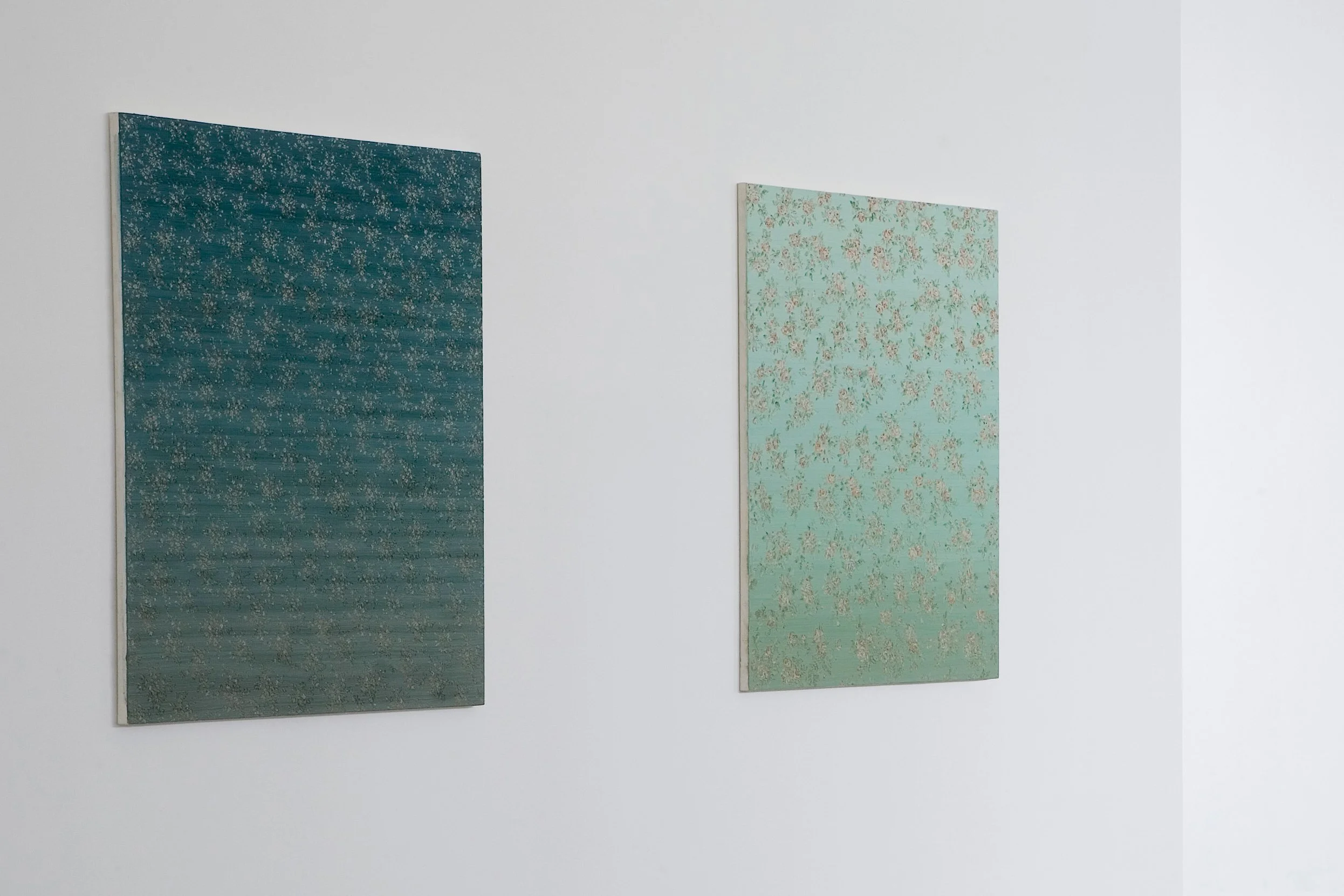
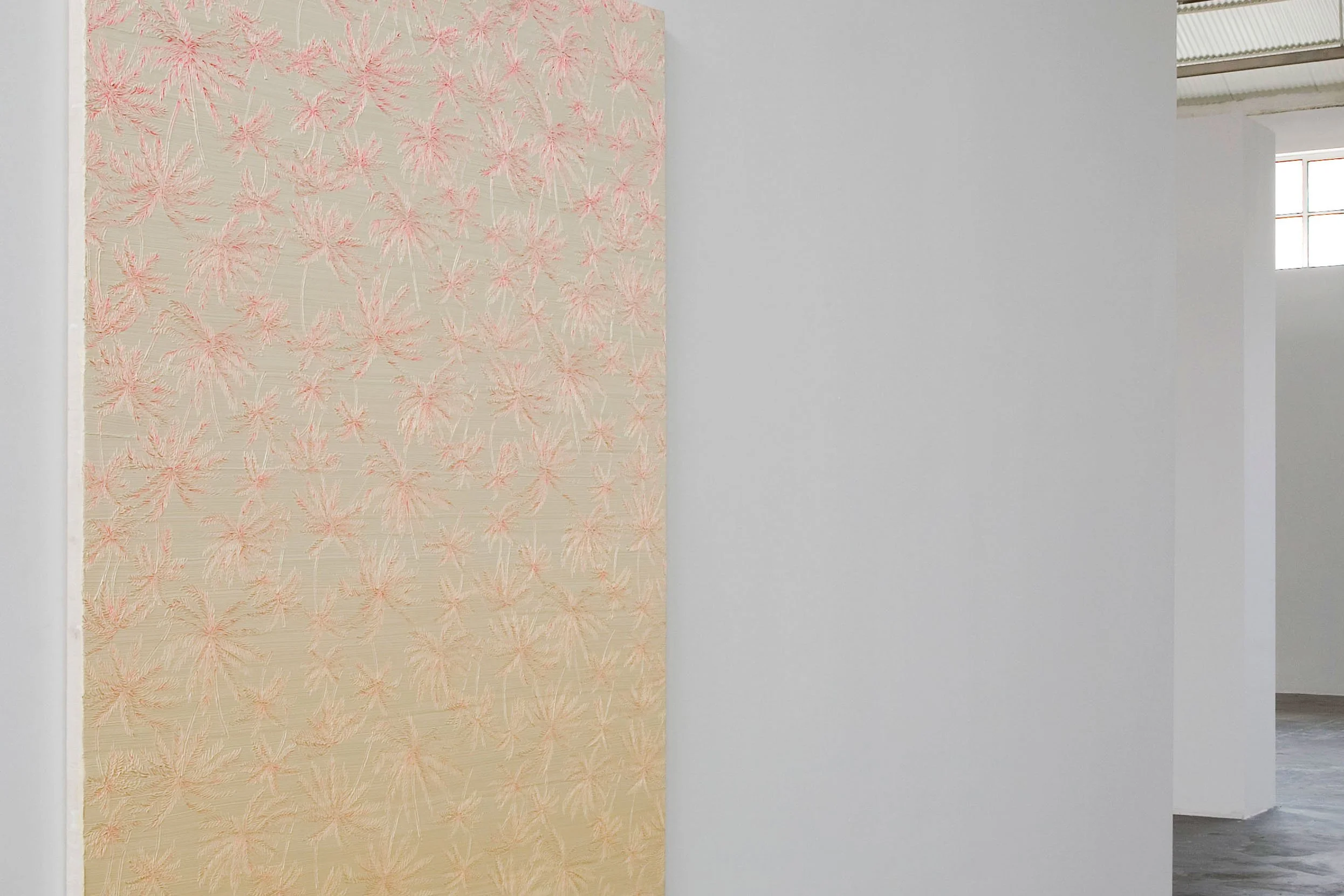
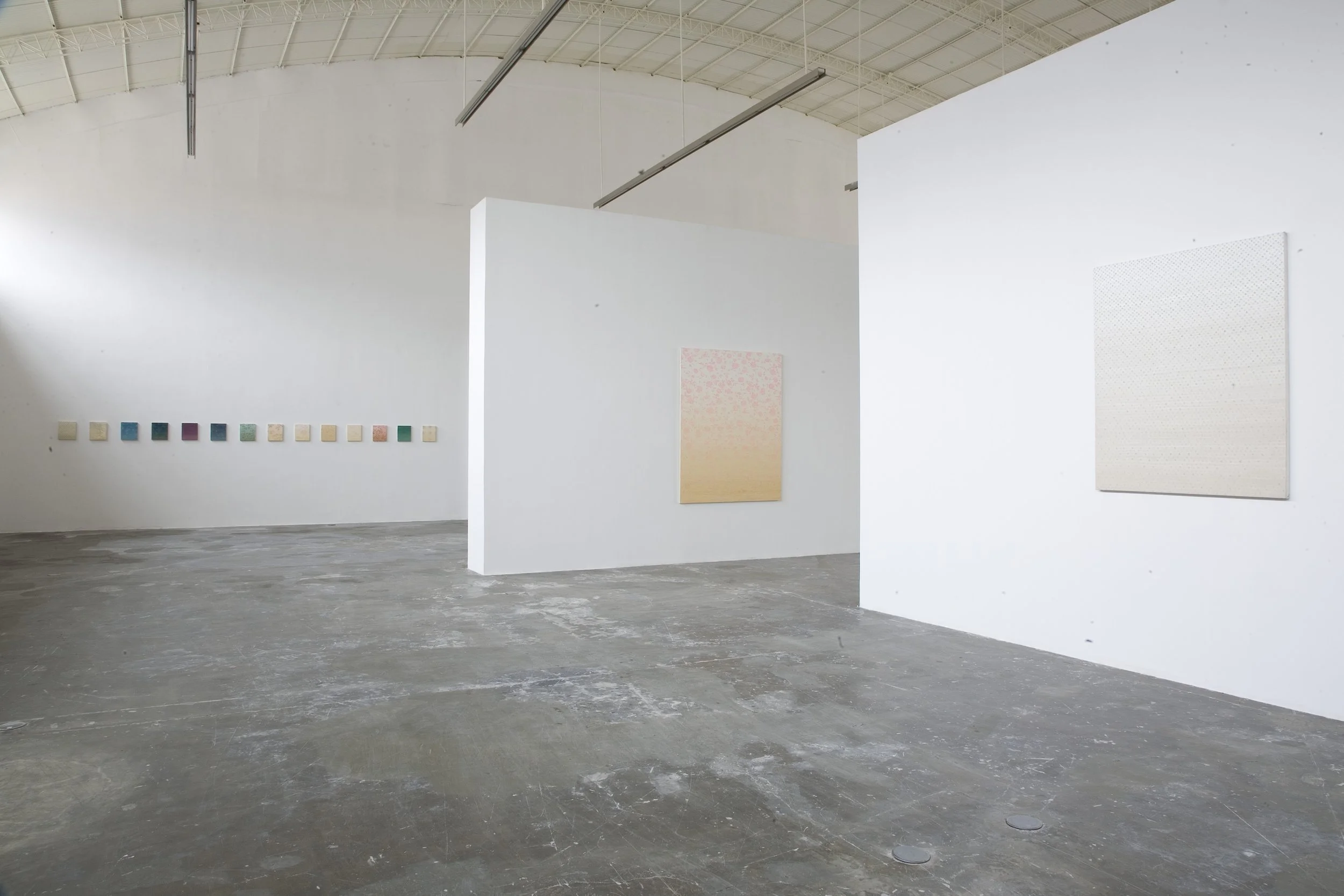
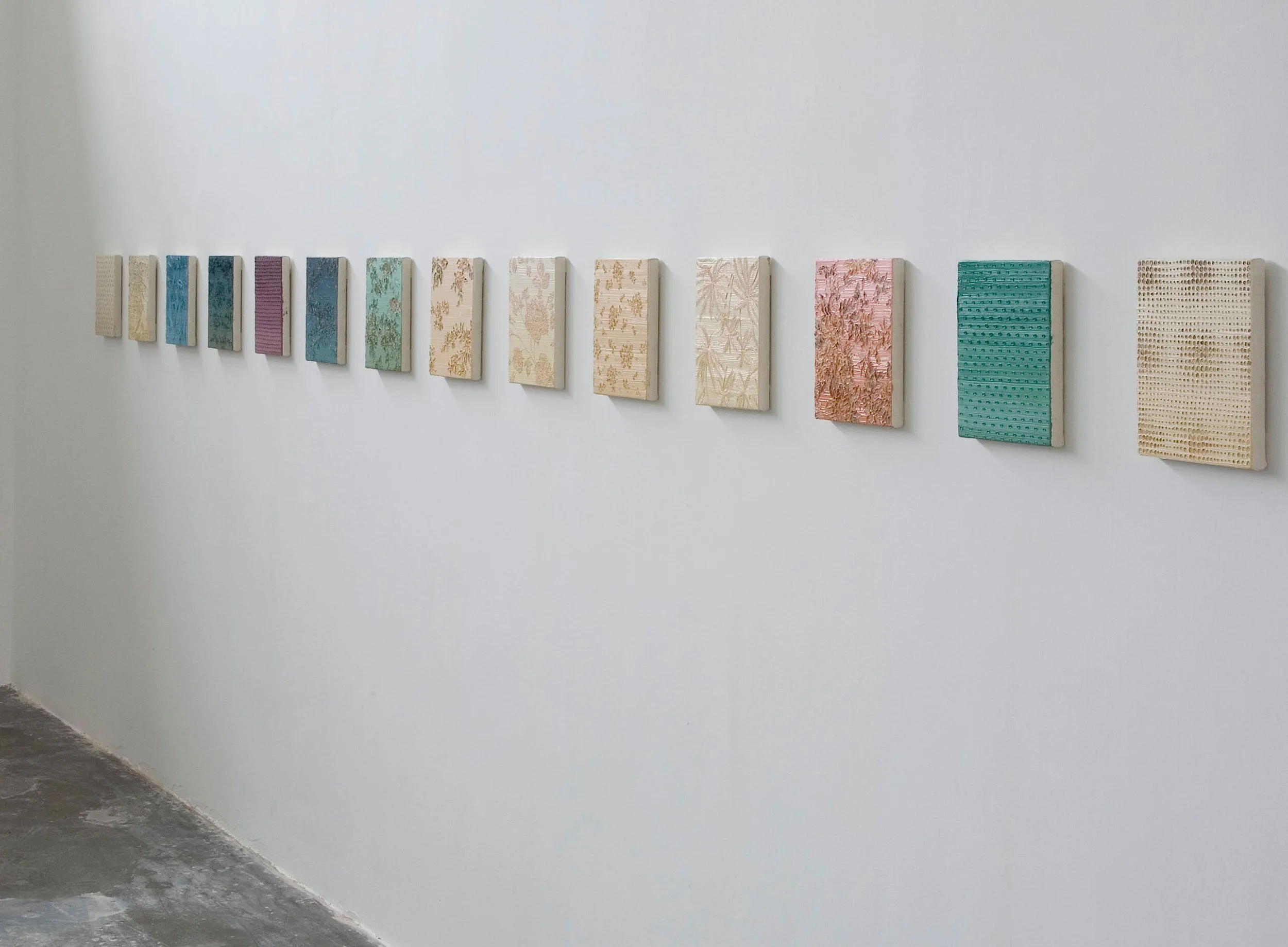
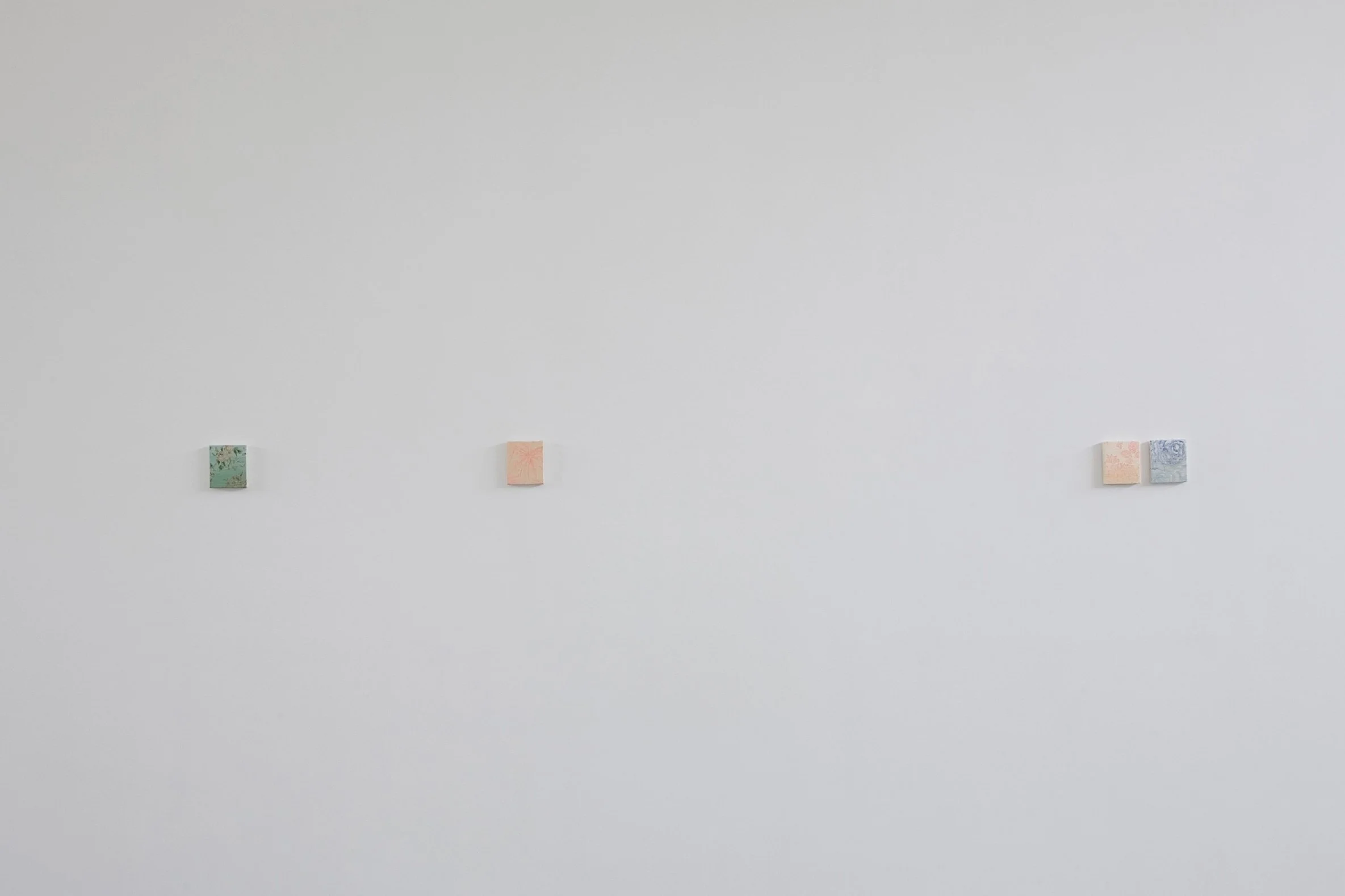
"BLDG 115 RM1904" is my solo exhibition at Boers-Li Gallery, Beijing, Curated by Waling Boers and Pili. Including 32 pieces of oil painting works titled" Piece of Life". There were 6 different dimensions of the works:12x14cm; 24x28cm; 120x140cm; 130x162cm; 140x180cm; 160x190cm. 2006-2008. With an essay by Robbin Peckhem. Pictures by Yang Dawei.
在北京Bores-Li画廊的个展“115号楼1904室”,由瓦林-布赫斯与皮力策划。展览包含题为“生活的片断”的32幅亚麻布油画作品。画面尺寸分别为12x14cm; 24x28cm; 120x140cm; 130x162cm; 140x180cm; 160x190cm。作于2006-2008年。岳鸿飞撰文,杨大为拍摄图片。
Not far from the Central Academy of Fine Arts in northeastern Beijing: Building 115, Room 1904. What could have been a bedroom has been transformed into a studio of sorts, a room devoted entirely to painting. Liang Yuanwei is moving soon and hopes to find a real studio with higher ceilings. With the size of her recent paintings, she has literally reached the limits of her current environment. Only one piece in this series—A Piece of Life—remains to be finished, and it spans the height of the room, from ceiling to floor.
The series is remarkable in its temporal duration, almost exactly matching the length of Liang Yuanwei’s stay in the Room 1904 apartment. Though sizes, colors, and textures vary, each piece is based on a piece of cloth plucked from the artist’s own life—curtains, clothing, found material. And though each painting was completed in the same small room in the artist’s apartment, the series is resolutely not a reclamation or reification of feminine domesticity. Instead, Liang Yuanwei wishes to reengage the connection between art and life by introducing the universalizing notion of human struggle into the manual labor of artistic production.
Liang Yuanwei, a graduate of Beijing’s Central Academy of Fine Arts born in 1977 in Xi’an, is a young artist whose photography, painting, and installation work often focuses on articulating the sites of both beauty and oppression within the semiotics of the everyday. Notable for her membership in the N12 group, she began organizing exhibitions and attracting international attention along with her peers during and immediately after her time as a student. Since then her work has been continually exhibited and collected at the highest levels both internationally and locally.
Her most recent work has involved themes of discretion, secrecy, interpersonal communication, personal struggle, and the affect produced therein. Significantly, her work claims that this affect is all that fills up the empty space that dominates domesticity and everyday life. Uniquely, her practice rejects the feminine specificity idealized by so many of her peers in favor of more broadly universal explorations of social themes.
Liang Yuanwei’s intense exploration of these ideas and strikingly mature response to the pressures of her particular form of artistic practice comes from a lifelong tortured relationship to art. The daughter of scientifically-minded academic parents, she had a difficult time achieving any kind of art education in the first place. After graduation, she found herself miserably working a desk job in order to survive, filling her spare hours with art projects that, more than anything else, gave her the strength to keep living.
Technically rigorous and often requiring extraordinary amounts of time and energy, Liang Yuanwei’s artistic practice forces her audience to re-inspect the subtle points of ecstasy and torture that make up the fabric of the everyday, leading to a rejection of easy answers in favor of a laborious reconstruction of the perceived environment. In her view, art can never be life itself, but it inherently and often implicitly expresses a particular outlook on the outside world.
The series A Piece of Life is highly aesthetically attractive: the texturing is impeccable, with mellow colors and precise detailing creating a sensation of scattered floating blossoms and synthetic patterns over faded backgrounds. The focus in these works, however, is above all on the meticulous process involved in their production. It is a process of design, which Liang Yuanwei once studied, but without structure or construction; instead, it is a struggle.
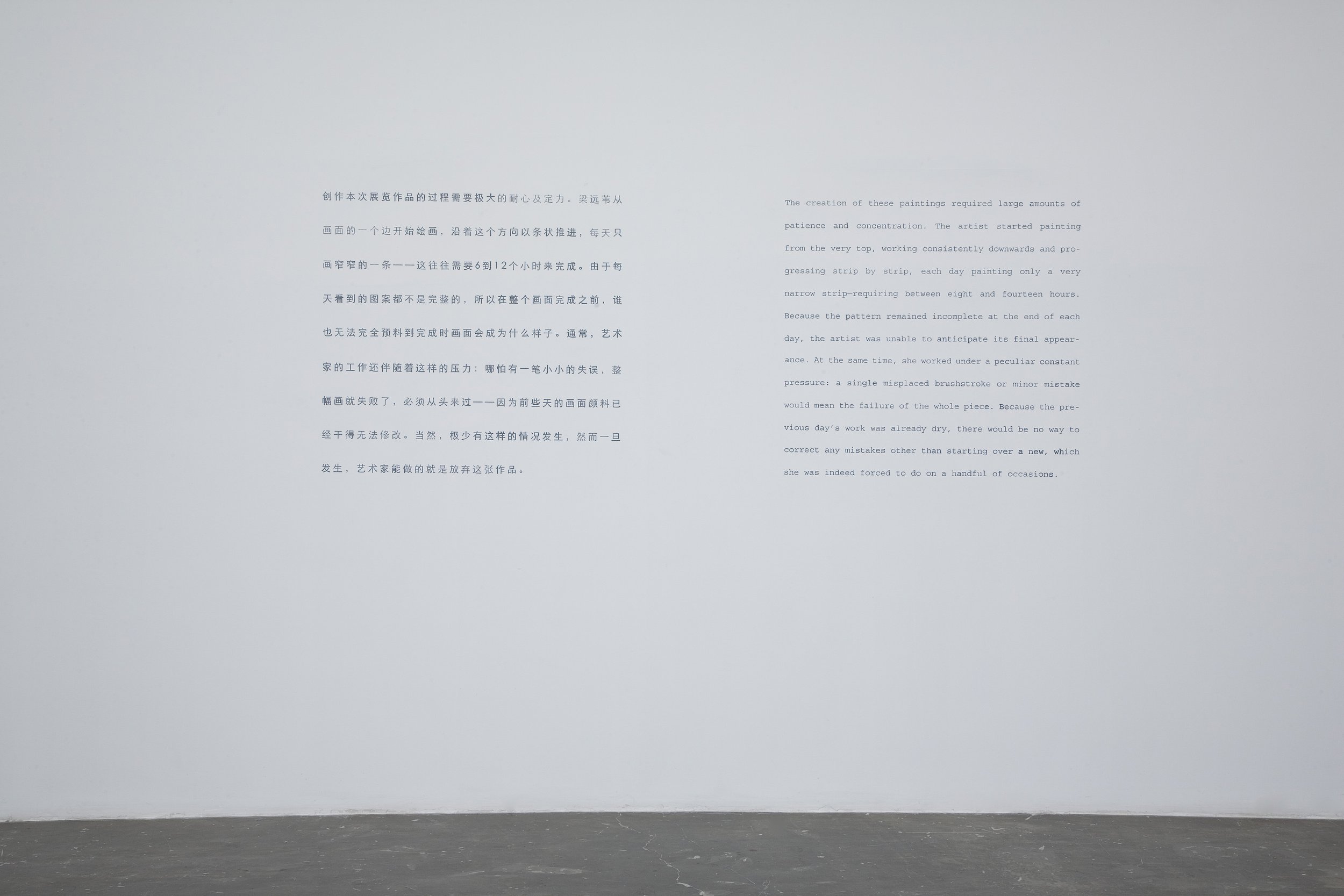
The creation of these paintings required large amounts of patience and concentration. The artist started painting from the very top, working consistently downwards and progressing strip by strip, each day painting only a very narrow strip—requiring between six and twelve hours. Because the pattern remained incomplete at the end of each day, the artist was unable to anticipate its final appearance. At the same time, she worked under a peculiar constant pressure: a single misplaced brushstroke or minor mistake would mean the failure of the whole piece. Because the previous day’s work was already dry, there would be no way to correct any mistakes other than starting over anew, which she was indeed forced to do on a handful of occasions.
It is a process without closure, one that mocks both its creator and its product in a repetitive and tedious cycle of creation and mimeticism. The one canvas that remained unfinished in Liang Yuanwei’s studio was, like most of the works in this series, accompanied by two failed attempts, one smaller version of the final work, the original cloth itself, and a print created from the remnants of the artist’s palette. The act of creation migrates from site to site within this system; ultimately, it is something more than a painting that emerges.
The final product, viewed through the right eyes, can be stunning. Liang Yuanwei notices three types of viewers of her work: those who see her paintings exhibited and notice a nicely decorated wall; those who notice a poorly decorated wall; and those who see nothing at all. On some level, she hopes that no one understands the intrinsic importance of her works—it is intended for those few who need it, who are looking for it to begin with. It offers no shock, and no explicit message. It stands for reassurance, subtle pleasure, and, if you are looking for it, resistance.
These paintings are deeply personal, and, as such, their function lies largely within the realm of individual affect and cognition. For Liang Yuanwei, they are a source of self-discipline, a way to calm the self and teach it to maintain a certain degree of separation from the restlessness around her. Indeed, she has said that painting is the best teacher, and with every hour in front of her easel she learns more about dealing with life. It is in this way that art becomes a form of resistance to life or a commentary on its travails, rather than a direct component of it.
These lessons have had a profound influence on Liang Yuanwei herself: above all else, she has learned to respect her own situation; that the world is a terribly unfair place; that danger lies in the rushing attitude that accompanies tedium; that bad luck is simply bad luck. Throughout the time-consuming process involved in A Piece of Life, the artist has learned to reject all shortcuts, even in the face of something as powerful as fate itself.
Ultimately, these paintings—humble “pieces of life” and nothing more—act as subtle reminders of the possibility of resistance to the tyranny of the chaotic outside world, reclaiming habitable space through anticipation and tedium.
——Text by by Robbin Peckhem
“115楼,1904室”就在离北京中央美术学院不远的某个小区里——这间原本普通的两居室,被年轻艺术家梁远苇改成了她可以全情投入到绘画中的工作室。不久,梁远苇将搬离这里,进驻一座更适合绘画的有足够挑高的工作室。随着近期这一系列绘画尺寸的增长,梁远苇明显地感觉到现在工作室的局限性。《生活的片断》这一系列的最后一张画留在这里等待完成,这张画几乎从地面一直顶到了天花板。
这一系列绘画值得注意的特征,是其创作过程中时间的持续性——几乎从搬进1904室开始,梁远苇就开始了这一系列的创作。这一系列油画的尺寸、色彩、肌理都有不同,每一张画的花纹基于一片布料:这些布料可能是衣服、窗帘、或者别的什么布头,它们大都是艺术家日常生活中使用过的。即使这些画都是在艺术家那间狭小的工作室中完成的,它们所描绘的也绝不是女性家庭生活中的琐碎点滴。实际上,梁远苇希望通过介绍她完成作品所需要的耗费时间及精力的劳动找到艺术与生活的连接点。
梁远苇1977年生于西安,毕业于中央美术学院,她的摄影、绘画及装置作品关注的是日常生活里符号学意义上的美好与压抑的联结点。作为N12的成员之一,还在学生时代及刚刚毕业之初,梁远苇即开始举办展览并且吸引了国际范围的关注。从此之后,她的作品即频繁参加各种高水平的国际及地方性展览,并且被国际范围的收藏家收藏。
艺术家近期的大部分作品关注的主题是私密性、人与人之间的交流、个体自身的感受及其所带来的感动。显然艺术家认为正是这些感动,填满了内心与日常生活的空白空间。与众不同的是,梁远苇的作品拒绝女性艺术家们特有的、理想的女性题材,而是关注对社会题材更广泛地探索。
艺术家用她特有的艺术实践方式对观念进行的热切探索及其对生活压力所作出的成熟回答,来源自可能会终其一生的与艺术纠缠、抗争的关系。因为父母都是学理科出身,反对女儿对艺术的执著,梁远苇最初很难接受到任何一种艺术形式的教育。毕业后,她发现自己不得不以一份每日坐在办公桌前的设计工作养活自己,梁远苇的空闲时间几乎都用来进行艺术创作,这才使她觉得有生活下去的力量。
她的实践对艺术技巧有严格的要求,并且常常对于时间及精力的安排也有特定量的要求。这促使观众在看作品的同时,须重新审视那交织成每日平凡生活的、使人销魂或痛苦的微妙问题。艺术家拒绝简单易得的答案,更乐于对感知环境进行艰苦地重构。在梁远苇的观点中,艺术永远不是生活本身,她是渗透在生活的骨子里的一些东西,经常会以一些含蓄的、独特的方式表达于我们生活的外部世界。
《生活的片断》这个系列达到了很高的美学境界:完美的质感、醇美的色彩,精准的细节,创造出纷繁的图案与细碎的花朵在褪色背景上沉浮的感觉。这些画作的焦点,最重要的是其小心翼翼的精细制作过程。整个绘画过程像是设计——设计原本是梁远苇学习的专业,但它不是那种结构的设计,而实际上是一种对于生活的努力争取。
整个系列的创作过程需要极大的耐心及定力,艺术家从画面的一个边开始绘画,从这个方向以条状推进,每天只画窄窄的一条——这需要六到十二个小时来完成。由于每天看到的图案都不是完整的,所以在整个画面完成之前,即使艺术家本人也无法预料到完成时画面会成为什么样子。并且,她的工作还伴随着这样的压力:哪怕有一笔小小的失误,整幅画就失败了,必须从头来过——因为前些天绘画的内容已经干了,无法修改。当然,极少有这样的情况发生时,但一旦发生,艺术家确实就是这样做的。
这是一项没有终止的工作,通过一种重复、乏味的创造形式嘲弄她的制造者及作品本身。在梁远苇工作室还放着一张未完成的画,在它背后是两张在实验阶段失败的作品,还有为这幅画所做的小稿,这件小稿的“蓝本”衣服,及艺术家将画画这幅画时调色板上残留的颜色印在纸上的“印制品”。这些物品所组成的系统即是艺术家创作过程中的一步一步,正是这些,使整个创造不仅仅局限于最后画完的那张画。
最终的油画作品是非常完美的。梁远苇认为观看她作品的有三种观众:那些在展览中看到她的画,并且认为它们非常漂亮的一类观众;认为这些作品不漂亮的一类观众;还有那些什么也没注意到的观众。就某种程度上来讲,梁远苇希望没有人能理解她作品中蕴含的内在价值——因为这些精神层面的价值是为那些真正需要它们的人准备的。这些作品看上去轻松,给人以微妙的快感,但是当你需要的时候,会发现画作中蕴含的那种抵抗的内在精神。
这些绘画是十分私人的,并且同样其形式很大程度上也依赖于艺术家个人情感与认知的领域。对于梁远苇来说,绘画是自我修养的来源之一,一种使自身平静、并且教会自身与周遭不能安静的环境保持分离的一种方式。实际上,梁远苇认为绘画是最好的老师,在画架前的每一个小时都使她越来越知道该如何处理生活。艺术成为了一种抵抗生活引力的方式,或者说是对生活艰辛的一种解说,尽管艺术并不直接是生活的一个组成部分。
所有感受到的这些对梁远苇的影响很深刻:最重要的是,她学会了尊重生活赋予她的境遇;世界是可怕的、不公平的;危险来源于激进的想法并且伴随着烦闷;坏运气就只是坏运气。通过《生活的片断》这一耗时的油画系列的创作过程,艺术家学会了去抵制一切的捷径,甚至是在与那些看上去强大到命运的东西面对面的时候。
最终,这组油画——看似不足道的“生活的片断”——像是一个微妙的提示,告诉人们对于混乱的外部世界暴政的反抗是可能的,并且力求通过每日不懈地、细致入微地绘画创作,开垦出一个存在于已知世界之内的 “桃花源”。
文/岳鸿飞
Booklet 展览册子